
Oily skin can be confusing. Your forehead may look shiny by lunchtime, but your face can still look flat, tired or uneven. Add a heavy moisturizer and you may feel even greasier. Skip moisturizer completely and your skin may start feeling tight or uncomfortable.
That is why finding the best moisturizers for oily and dull skin takes more than looking for the words “oil-free” or “brightening” on the bottle. Oily skin still needs hydration, and dullness can come from dehydration, rough texture, post-acne marks, irritation or a finish that leaves too much residue.
The American Academy of Dermatology (AAD) recommends moisturizing oily skin and choosing products that fit the skin type. For this guide, we looked for the best moisturizers for oily and dull skin that solve different versions of the problem instead of recommending six nearly identical creams.
On this Page
Our Top Picks at a Glance
If you already know what your skin needs, use this quick comparison to narrow down the best moisturizers for oily and dull skin.
| Product | Best For | Key Ingredients | Finish |
| CeraVe Oil Control Gel-Cream | Oil & shine | Niacinamide, ceramides | Matte |
| Dr. Sheth’s Ceramide & Vitamin C | Dull, uneven tone | Vitamin C, ceramides | Natural |
| Neutrogena Hydro Boost Water Gel | Dehydrated oily skin | Hyaluronic acid | Dewy |
| Good Molecules Hydrating Gel | Light hydration | Glycerin, ectoin | Light |
| La Roche-Posay Double Repair | Sensitive oily skin | Niacinamide, ceramide | Natural |
| BYOMA Moisturising Gel Cream | Barrier support | Ceramides, niacinamide | Non-greasy |
Oily and hydrated are not the same things
It is easy to assume that oily skin already has enough moisture, but oil and hydration are two different things. Sebum is the oil your skin produces, while hydration refers to the water in the outer layers of your skin. So your face can look shiny and still need hydration.
This can become even more noticeable if you use acne treatments or exfoliating ingredients. The AAD explains that ingredients such as salicylic acid, benzoyl peroxide and retinoids can cause dryness or irritation, and using a moisturizer can help. So if your skin gets oily during the day but feels tight or uncomfortable after cleansing, focusing only on oil control may not be what your skin needs. A lightweight moisturizer can help keep it comfortable without adding a heavy layer.
Dehydration Can Make Your Skin Look Dull
Dehydration does not just affect how your skin feels. It can also affect how it looks. When the skin surface lacks water, it may appear less smooth and plump, which can leave your complexion looking flat or tired even when your face is producing plenty of oil.
So, if dullness comes with tightness or a dehydrated feeling, adding lightweight hydration may make more sense than trying to remove even more oil.
What to Look for in a Moisturizer for Oily, Dull Skin
Start with texture
| Texture | Good for oily skin? |
| Gel | Usually the best fit. Lightweight, absorbs fast, low residue. |
| Gel-cream | A good middle ground if gel feels too light. |
| Water-based lotion | Often fine, check the ingredient list. |
| Cream | Can work if it’s oil-free and lightweight, but many are too heavy. |
| Balm or ointment | Generally skip these, too occlusive for oily skin. |
The AAD’s oily-skin guidance recommends maintaining hydration rather than trying to strip away every trace of oil. That’s one reason the best moisturizers for oily and dull skin can feel completely different from rich, dry-skin creams.
Label Words, Decoded
Oil-free: Contains no added oils, but can still clog pores for some people.
Non-comedogenic: Formulated to be less likely to clog pores.
Non-acnegenic: Formulated to be less likely to cause or worsen breakouts.
Matte / Mattifying: Helps reduce shine for a less oily-looking finish.
For acne-prone skin, the AAD recommends looking for labels like oil-free, non-comedogenic or “won’t clog pores.” No label can guarantee your skin won’t react though, everyone’s different.
Ingredients that actually help
- Hyaluronic acid | a humectant that pulls water into skin without adding oil. The gold standard hydrator for oily skin.
- Glycerin | another solid humectant, cheap and very well tolerated.
- Niacinamide | does double duty. It hydrates lightly, and DermNet’s review notes evidence that topical niacinamide may support the skin barrier, reduce water loss and facial sebum, and help some uneven pigmentation.
- Squalane | a lightweight, non-greasy emollient. Despite the similar name, squalane isn’t the same as squalene, the natural oil your skin makes, and it doesn’t clog pores.
- Dimethicone (in small amounts) | a silicone that gives a smooth, mattifying finish. Fine for most people, though a small number find it doesn’t suit their skin.
- Salicylic acid (low %, in a moisturizer) | sometimes added for its pore-clearing benefit. This edges into “treatment moisturizer” territory, it’s an active, not just a hydrator.
- Zinc PCA | helps regulate oil production, shows up in some oily-skin-targeted formulas.
Ingredients worth a second look
None of these are automatically bad, but they’re more likely to feel wrong on oily or acne-prone skin, so it’s worth knowing what you’re getting into.
- Heavy plant oils and butters (coconut oil, cocoa butter, shea butter in high amounts) | more likely to clog pores for some people, coconut oil especially.
- Petrolatum or mineral oil, in heavy amounts | very occlusive. Great for dry skin, often too much for oily skin.
- Lanolin | heavy, and can clog pores for some people.
- Fragrance | not an oily-skin issue specifically, but worth a caveat since oily and acne-prone skin is often reactive too.
Match ingredients to your main concern
For dehydration, look for humectants like glycerin and hyaluronic acid. For barrier support, look for ceramides. For uneven-looking tone, niacinamide or a suitable vitamin C formula gives a moisturizer a stronger tone-supporting role. That’s exactly why the six picks below aren’t interchangeable, each one leans into a different one of these.
Lets get into it.
1 CeraVe Oil Control Gel-Cream
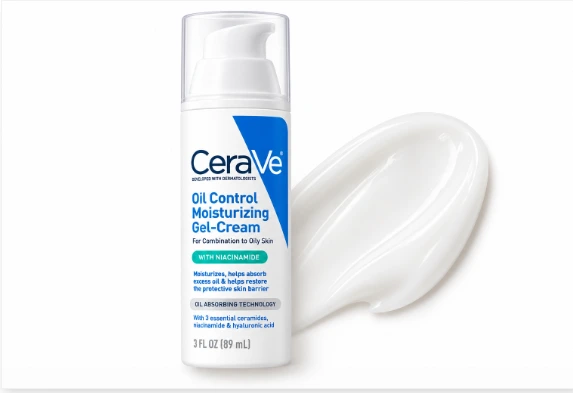
Best for: Very oily or combination skin that becomes shiny quickly but still needs daily hydration.
Key ingredients: Niacinamide, glycerin, three ceramides, hyaluronic acid and silica.
Texture & finish: Lightweight gel-cream with a matte finish.
Why We Picked It
CeraVe Oil Control Gel-Cream has the clearest oil-control positioning in this guide. CeraVe uses silica and other powders to absorb excess surface oil while niacinamide, glycerin, hyaluronic acid and ceramides support hydration. The current formula is fragrance-free and non-comedogenic. This makes it one of the best moisturizers for oily and dull skin when excess shine is the first problem you want to solve.
Pros
- Designed specifically for oily and combination skin.
- Matte finish helps reduce visible shine.
- Fragrance-free and non-comedogenic.
- Combines oil control with barrier-supporting ingredients.
Cons
- The matte finish may not suit readers who prefer dewy skin.
- It is not primarily a dark-spot treatment.
What to Know
Niacinamide gives the formula relevance to uneven-looking skin, but we would buy this mainly for oil control and lightweight hydration rather than expect it to treat stubborn pigmentation.
Who Should Skip It?
Skip it if your skin is only mildly oily and your bigger concern is dehydration or you strongly prefer a dewy finish.
TBT Verdict
Choose CeraVe when shine control comes first. Among the best moisturizers for oily and dull skin, it has the most direct oil-control role without turning hydration into an afterthought.
2 Dr. Sheth’s Ceramide Vitamin C Oil-Free Moisturizer
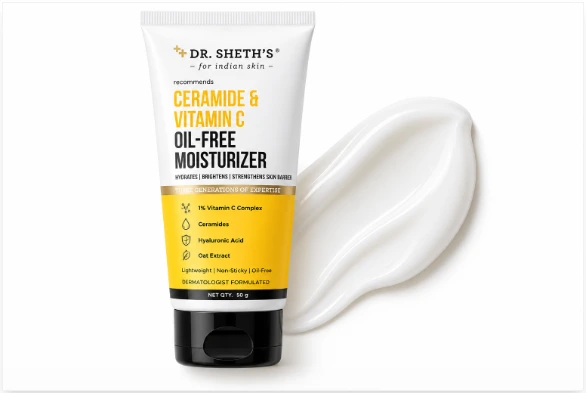
Best for: Oily or combination skin where dullness and uneven-looking tone matter more than extreme shine.
Key ingredients: 1% Vitamin C Complex, ceramide complex, glycerin and ashwagandha.
Texture & finish: Lightweight, oil-free and non-sticky with a shine-free feel.
Why We Picked It
Most products for oily skin focus mainly on shine. Dr. Sheth’s gives the dullness side of the problem more attention. The brand positions the formula for oily/combination skin and lists dullness and pigmentation among its concerns. Its vitamin C complex and ceramides give it the clearest tone-focused role among the best moisturizers for oily and dull skin.
Pros
- Oil-free, lightweight formula for oily/combination skin.
- Vitamin C complex adds a direct dullness-focused angle.
- Ceramides support the skin barrier.
- Designed to absorb without a heavy or sticky finish.
Cons
- May not be enough for stubborn dark spots
What to Know
Choose this when “dull” means uneven or tired-looking tone. A moisturizer can support brighter-looking skin, but persistent post-acne marks or pigmentation may need targeted treatment and daily sun protection.
Who Should Skip It?
Skip it if extreme shine is your main concern and you do not need a tone-focused formula. CeraVe Oil Control is more purpose-built for that job.
TBT Verdict
This is the most direct oily-plus-dull match in the shortlist when uneven-looking tone is the bigger concern. It earns its place through formulation fit, not Amazon popularity.
3 Neutrogena Hydro Boost Water Gel
![Neutrogena Hydro Boost Water Gel for oily and dull skin.]](https://thebeautytransit.com/wp-content/uploads/2026/09/neutrogena-mois.webp)
Best for: Oily skin that feels tight, thirsty or less plump but dislikes traditional creams.
Key ingredients: Hyaluronic acid.
Texture & finish: Ultra-light water gel with a fresh, dewy finish.
Why We Picked It
Neutrogena Hydro Boost Water Gel is useful when oiliness and dehydration happen at the same time. The current Water Gel is positioned for normal-to-oily and combination skin and focuses on lightweight hydration. It belongs among the best moisturizers for oily and dull skin because dehydration can make skin look flat even when the surface is shiny.
Pros
- Very lightweight water-gel texture.
- Designed for normal-to-oily skin.
- Hyaluronic acid supports hydration.
- Easy option for people who dislike cream textures.
Cons
- The current Water Gel contains fragrance.
- It is not a targeted pigmentation treatment.
What to Know
Do not confuse Water Gel with Hydro Boost Water Cream or SPF versions. The Amazon page we found was a Water Gel plus trial-cleanser bundle, so we do not treat that bundle’s rating as a standalone Water Gel rating.
Who Should Skip It?
Skip it if you avoid fragrance or your skin reacts easily to fragranced skincare.
TBT Verdict
Choose it when your skin is oily on the surface but still feels thirsty. It is one of the best moisturizers for oily and dull skin when dehydration, rather than pigmentation, is the likely reason for the dull look.
4 Good Molecules Hydrating Gel Moisturizer with Electrolytes
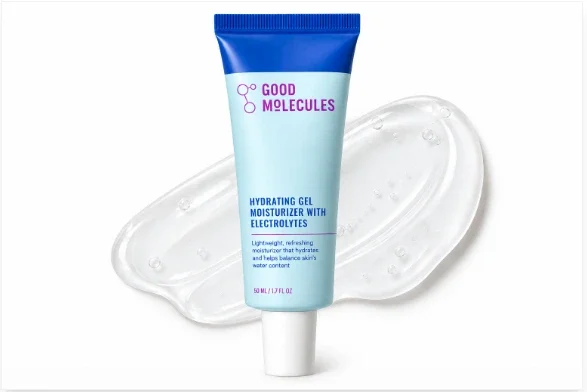
Best for: Oily or acne-prone skin that wants simple, inexpensive gel hydration.
Key ingredients: Glycerin, betaine, ectoin, electrolytes and Pseudoalteromonas ferment extract.
Texture & finish: Oil-free, fragrance-free gel with a light finish.
Why We Picked It
Good Molecules built this moisturizer around oily or combination skin that is difficult to hydrate. Its oil-free gel uses humectants, osmolytes and electrolytes, while the brand also positions the ferment extract as hydrating and mattifying. It is one of the best moisturizers for oily and dull skin for readers who want a very light formula without paying for a richer cream.
Pros
- Lightweight oil-free gel.
- Fragrance-free and non-comedogenic.
- Made with oily and acne-prone skin in mind.
- Low price compared with most picks in this guide.
Cons
- Less barrier-focused than BYOMA.
- Not a dedicated pigmentation treatment.
What to Know
Good Molecules also positions the product toward post-acne spots, but its strongest reason for being here is lightweight hydration and oil balance. We would keep expectations modest for discoloration.
Who Should Skip It?
Skip it if your barrier feels very compromised or you want a richer ceramide-focused formula.
TBT Verdict
This is the simple gel pick: light, fragrance-free and inexpensive. For the best moisturizers for oily and dull skin, it covers readers who want hydration with as little heaviness as possible.
5 La Roche-Posay Toleriane Double Repair Face Moisturizer
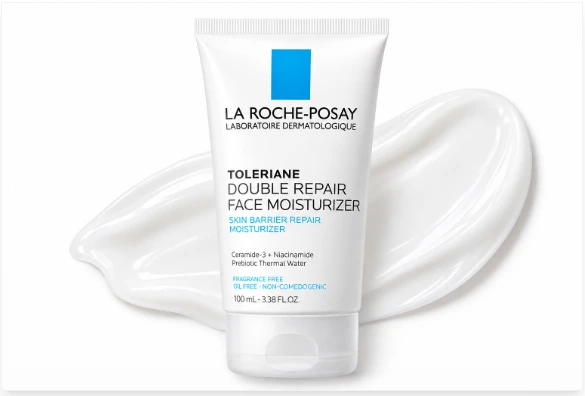
Best for: Sensitive or combination skin that needs hydration and barrier support without fragrance.
Key ingredients: Glycerin, niacinamide, ceramide-3 and squalane.
Texture & finish: Lightweight cream with a soft, natural finish.
Why We Picked It
La Roche-Posay Toleriane Double Repair is not the brand’s dedicated Matte version. The regular Double Repair is oil-free, fragrance-free, drying-alcohol-free and non-comedogenic, and the brand recommends it for sensitive skin. Its lightweight cream texture and barrier-focused ingredients give it a different role among the best moisturizers for oily and dull skin: comfort and tolerance rather than aggressive mattifying.
Pros
- Fragrance-free and suitable for sensitive skin.
- Oil-free and non-comedogenic.
- Niacinamide plus ceramide supports the barrier.
- Very strong Amazon demand in the page we researched.
Cons
- Not specifically designed to mattify very oily skin.
- Cream texture may feel more substantial than a water gel.
What to Know
La Roche-Posay also makes a Toleriane Double Repair Matte product. That is different. We are reviewing the regular Double Repair because it is the exact high-demand Amazon product researched for this guide.
Who Should Skip It?
Skip it if visible shine control is your main goal. CeraVe Oil Control is the more direct choice.
TBT Verdict
Choose this when sensitivity and barrier comfort matter more than a completely matte finish. It is the most comfort-focused cream among our best moisturizers for oily and dull skin.
6 BYOMA Moisturising Gel Cream
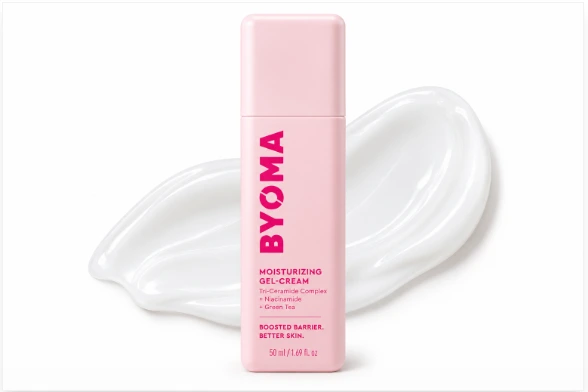
Best for: Oily or combination skin that wants lightweight hydration with more attention to the skin barrier.
Key ingredients: Tri-Ceramide Complex, niacinamide, glycerin and green tea.
Texture & finish: Cooling gel-cream that absorbs quickly with a non-greasy feel.
Why We Picked It
BYOMA gives oily skin a lightweight texture while putting barrier support at the center of the formula. Its Tri-Ceramide Complex combines ceramides, cholesterol and fatty acids, alongside niacinamide and green tea. The current product is oil-free, non-comedogenic, alcohol-free and fragrance-free. That makes it one of the best moisturizers for oily and dull skin when the routine has started to feel too stripping or unbalanced.
Pros
- Lightweight gel-cream texture.
- Fragrance-free and alcohol-free.
- Ceramides, cholesterol and fatty acids support its barrier-focused role.
- Niacinamide adds relevance for oily skin.
Cons
- Not a strong pigmentation treatment.
- May not mattify enough for extremely oily skin.
What to Know
Do not choose BYOMA expecting it to erase dark spots. Its main role is lightweight hydration and barrier support.
Who Should Skip It?
Skip it if controlling shine is your number-one priority. Choose CeraVe instead. If uneven tone is the main concern, Dr. Sheth’s is more directly targeted.
TBT Verdict
BYOMA rounds out the best moisturizers for oily and dull skin by covering the reader who needs barrier support without moving into a rich, heavy cream.
Which Moisturizer Should You Choose?
The best moisturizers for oily and dull skin become easier to compare when you start with the problem you want to solve first.
| If your skin… | Start with… |
| Gets very shiny quickly | CeraVe Oil Control Gel-Cream |
| Looks dull or uneven | Dr. Sheth’s Ceramide & Vitamin C |
| Is oily but feels tight | Neutrogena Hydro Boost Water Gel |
| Hates cream textures | Good Molecules Hydrating Gel |
| Is oily/combination and sensitive | La Roche-Posay Double Repair |
| Needs barrier support | BYOMA Moisturising Gel Cream |
5 Oily Skin Moisturizer Myths, Busted
A lot of what people believe about oily skin actually makes it look duller, not less oily. Quick myth check before you buy anything:
Myth: Oily skin doesn’t need moisturizer.
Truth: Skipping it can make skin oilier over time. Stripped, dehydrated skin can respond by producing even more oil to compensate.
Myth: Oil-free means it won’t hydrate.
Truth: Oil-free just means no added oils. Humectants like glycerin and hyaluronic acid can still hydrate very well.
Myth: Gel moisturizers are only for summer.
Truth: Gel formulas work year-round if your skin is oily, weather doesn’t change your skin type.
Myth: The more mattifying, the better.
Truth: Overly drying “mattifying” products can trigger a rebound oil response, the exact opposite of what you wanted.
Myth: Natural oils are always better for skin.
Truth: Some natural oils, coconut oil especially, are more likely to clog pores than a lightweight, lab-formulated moisturizer.
What If Your Moisturizer Isn’t the Real Reason Your Skin Looks Dull?
Before switching moisturizers, check the rest of your routine. Product buildup, pilling, over-exfoliation, dehydration or pigmentation can also make skin look dull.
For clogged or rough skin, see how to unclog pores the right way. If dullness appears after moisturizing, read why your moisturizer makes skin look dull.
How to Use Moisturizer Without Making Oily Skin Feel Greasier
A few small habits matter more than most people think.
- Apply to slightly damp skin right after cleansing, it helps lightweight formulas absorb faster and lock in water.
- A thin layer is enough. Piling on more gel doesn’t add hydration, it just sits on top.
- In the morning, moisturizer goes before sunscreen. If the combo feels heavy, the culprit is often the SPF layering, not the moisturizer itself.
- Blotting papers or a mattifying primer can handle midday shine without stripping your skin, which is what over-cleansing tends to do instead.
The AAD notes that applying moisturizer right after washing helps trap water in the skin.
FAQ
Does oily skin really need moisturizer?
Yes. Oily skin can still need hydration. The AAD recommends moisturizing oily skin, especially when acne treatments or cleansing leave it dry or irritated. The goal is to choose a texture that feels comfortable rather than automatically reaching for a rich cream.
Can oily skin be dehydrated?
Yes. Oily describes sebum, while dehydrated describes a lack of water. Skin can therefore look shiny and still feel tight or thirsty. In that situation, the best moisturizers for oily and dull skin are often lightweight hydrating gels or gel-creams.
What type of moisturizer is best for oily and dull skin?
There is no single texture for everyone. Gels, water gels, gel-creams and lightweight lotions are useful starting points. The best moisturizers for oily and dull skin should also match the cause of dullness—dehydration, uneven tone, excess shine or barrier stress.
Is gel moisturizer better for oily skin?
Often, but not always. Gel textures are usually lighter than creams and can feel more comfortable on oily skin. A lightweight cream can still be a good choice when sensitivity or barrier support matters more.
Is niacinamide good for oily and dull skin?
It can be useful. DermNet notes evidence that topical nicotinamide may help reduce facial sebum, support the skin barrier and improve some uneven pigmentation. The complete formula and concentration still matter.
Can moisturizer actually brighten dull skin?
It can help, but there are limits. Hydration can make skin look smoother and fresher, while ingredients such as niacinamide or vitamin C derivatives may support a more even-looking tone. Persistent pigmentation or post-acne marks may need targeted treatment and sun protection.
How often should oily skin use moisturizer?
Most moisturizers in this guide are designed for daily use, and several can be used morning and night. Follow the directions for your product and adjust according to how your skin responds.
Where should your Moisturizer Go in a Skincare Routine?
Moisturizer usually goes after your serums or treatments and before sunscreen in the morning. At night, usually moisturizing is the last step after your treatments or u can also sandwich the moisturizer according to your skin need. If you’re unsure where everything else fits, follow our Skincare Routine Order: What Goes First and Why guide for the complete step-by-step order.
Does a moisturizer for oily skin needs to be mattifying?
The best moisturizers for oily and dull skin do not have to be completely matte. A lightweight natural or soft-dewy finish can make dull skin look fresher without leaving it feeling heavy or greasy. Choose based on your preference and the cause of shine.
Final Takeaway
The best moisturizers for oily and dull skin are not simply the products that remove the most shine. First identify why your skin also looks dull. If it is very oily, prioritize oil control. If it feels tight, choose lightweight hydration. If uneven tone is the problem, look for relevant tone-supporting ingredients. If your skin feels stressed, barrier support may matter more. Once you identify both problems, choosing the right moisturizer becomes much easier.