
If you’re trying to fade dark spots, choosing a vitamin C serum can get confusing fast. Some formulas contain 10% vitamin C, others go as high as 20% or 23%, and some use completely different forms of vitamin C. So how do you know which one is actually right for your skin?
The best vitamin C serums for dark spots isn’t simply the one with the highest percentage. A good choice should match your pigmentation concerns, suit your skin’s tolerance and be stable enough to stay effective. The type of vitamin C and the ingredients paired with it matter just as much as the number on the bottle.
We compared six options to help you find the one that makes the most sense for your skin, rather than simply choosing the strongest serum you can find.
On this Page
First, Identify Your Type of Dark Spots
Dark spots don’t all develop for the same reason. Knowing what you’re trying to fade makes it easier to choose the right formula.
Post-Acne Dark Spots
Flat marks left after breakouts are often post-inflammatory hyperpigmentation (PIH). A brightening serum may help existing marks, but controlling breakouts matters too. Otherwise, new spots can keep replacing the ones you’re trying to fade.
Sun Spots and Sun-Related Uneven Tone
Vitamin C can support a brightening routine for sun-related discoloration, but treatment without sun protection is incomplete. Continued UV exposure can work against your progress.
Melasma-Like Patches
Persistent or symmetrical patches are more complex than ordinary post-acne marks. Don’t assume that buying a stronger vitamin C serum will automatically solve them. American Academy of Dermatology: melasma treatment
General Uneven Tone and Dullness
If your concern is overall dull or uneven-looking skin rather than individual spots, you may not need the most aggressive pigmentation formula.
Not sure what you’re looking at? Our Dark Spots on Face: What Causes Them and How to Fade Them guide explains the main types in more detail.
Which Type of Vitamin C Is Best for Dark Spots?
The words “vitamin C” don’t tell you exactly what is inside a serum. The form matters.
L-Ascorbic Acid: Pure Vitamin C
L-ascorbic acid is the pure form most strongly associated with topical vitamin C research. But it can be difficult to keep stable and may irritate some skin, particularly in stronger formulas.
It can suit someone who wants pure vitamin C and already tolerates active skincare well. Concentration still shouldn’t be judged without considering the complete formula.
Vitamin C Derivatives: Gentler and Often More Stable
Serums may instead contain derivatives such as THD ascorbate, sodium ascorbyl phosphate or ascorbyl glucoside.
Depending on the formula, derivatives may offer advantages in stability or tolerability. But they aren’t automatically equivalent to L-ascorbic acid, and the evidence isn’t identical for every derivative.
Pure Vitamin C vs Vitamin C Derivatives: Which Should You Choose?
Think about your skin rather than which form sounds stronger. If your skin is comfortable with active skincare, pure vitamin C may be a good fit. If you tend to react easily or prefer a gentler option, a derivative may suit you better.
Most importantly, choose a formula you can use consistently without ongoing irritation. That matters more than picking a serum simply because it contains a particular form of vitamin C.
Don’t choose by ingredient name alone. Compare the form, complete formula, packaging and your skin’s tolerance.
Our 6 Best Vitamin C Serums for Dark Spots
These serums aren’t ranked from best to worst. Each one was selected for a specific role, based on different types of dark spots, skin concerns, vitamin C experience and tolerance.
| Product | Best For | Vitamin C Form | Key Brightening Ingredients |
| Glow Recipe Guava Vitamin C Dark Spot Serum | Dark spots | Multiple vitamin C forms | Vitamin C, tranexamic acid, vitamin E, ferulic acid |
| Timeless 20% Vitamin C + E Ferulic | High-strength pure vitamin C | 20% L-ascorbic acid | Vitamin C, vitamin E, ferulic acid |
| CeraVe Skin Renewing Vitamin C Serum | Beginners | 10% L-ascorbic acid | Vitamin C, ceramides, hyaluronic acid |
| TruSkin Vitamin C Serum | Acne-prone skin & post-acne marks | Sodium ascorbyl phosphate | Vitamin C derivative, vitamin E, hyaluronic acid |
| COSRX The Vitamin C 23 Serum | Experienced vitamin C users | 23% ascorbic acid | Vitamin C, vitamin E, glutathione |
| Minimalist 10% Vitamin C Serum | Budget pick | 10% vitamin C derivative | Vitamin C derivative, supporting antioxidants |
1. Glow Recipe Guava Vitamin C Dark Spot Serum
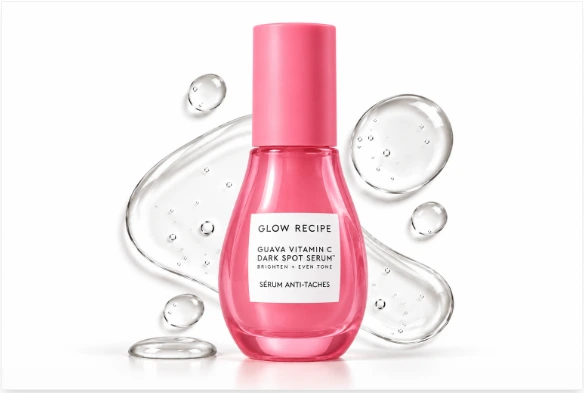
Best for: Stubborn dark spots and uneven tone
Vitamin C: Blend of multiple vitamin C forms
Key ingredients: Vitamin C, tranexamic acid, vitamin E, ferulic acid
Texture: Lightweight, hydrating serum
Why We Picked It
Glow Recipe stands out because it approaches dark spots from more than one angle. Instead of relying on vitamin C alone, the formula pairs multiple forms of vitamin C with tranexamic acid, making it particularly relevant for uneven pigmentation and post-acne marks.
It is also a good alternative for someone who wants a dark-spot-focused formula without choosing the highest concentration of pure L-ascorbic acid.
Pros and Cons
Pros
- Specifically designed with dark spots and uneven tone in mind
- Combines vitamin C with tranexamic acid
- Includes vitamin E and ferulic acid
- Fragrance- and essential-oil-free
- Protective pump packaging
Cons
- More expensive than several picks in this guide
- Does not give shoppers one simple vitamin C percentage to compare
- Not the best choice if you specifically want high-strength pure vitamin C
What to Know
Choose this based on the overall brightening formula, not a percentage on the label. Its combination of vitamin C and tranexamic acid gives it a different strategy from straightforward L-ascorbic acid serums such as Timeless.
TBT Verdict
Buy it if: Dark spots are your main concern and you want several brightening ingredients working in one formula.
Skip it if: You mainly want high-strength pure L-ascorbic acid or a lower-priced serum.
2. Timeless 20% Vitamin C + E Ferulic Acid Serum
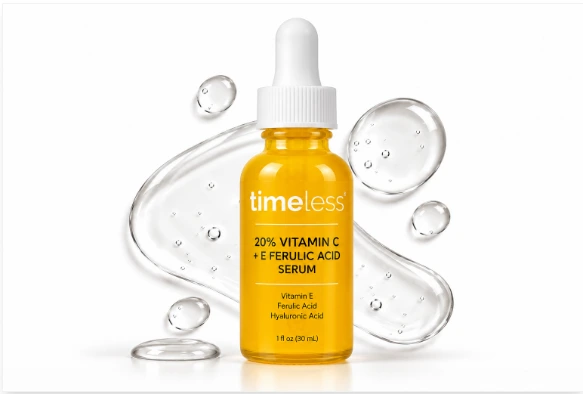
Best for: High-Strength Pure Vitamin C
Vitamin C: 20% L-ascorbic acid
Key ingredients: L-ascorbic acid, vitamin E, ferulic acid
Texture: Lightweight liquid serum
Why We Picked It
Timeless is our high-strength pick because it gives you 20% pure L-ascorbic acid supported by vitamin E and ferulic acid.
It is a straightforward choice for someone who already knows their skin tolerates pure vitamin C and wants a stronger formula without moving into luxury-serum pricing.
Pros and Cons
Pros
- 20% pure L-ascorbic acid
- Includes vitamin E and ferulic acid
- Lightweight texture
- Strong Amazon customer history
- More affordable than many premium high-strength serums
Cons
- May be too strong for beginners
- Pure vitamin C requires more attention to storage and oxidation
- Some customer feedback mentions leaking or dispenser issues
What to Know
Don’t choose Timeless simply because 20% sounds better than 10%. Higher strength can also mean a greater chance of irritation. It makes more sense for skin that already tolerates L-ascorbic acid well.
TBT Verdict
Buy it if: You already use vitamin C comfortably and want a high-strength pure L-ascorbic acid serum.
Skip it if: You are new to vitamin C or your skin becomes irritated easily.
3. CeraVe Skin Renewing Vitamin C Serum
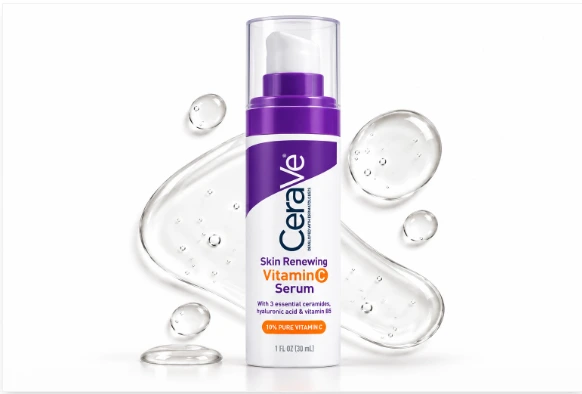
Best for: Beginners and anyone wanting an approachable pure vitamin C serum
Vitamin C: 10% L-ascorbic acid
Key ingredients: Vitamin C, ceramides, hyaluronic acid
Texture: Lightweight, non-greasy gel serum
Why We Picked It
CeraVe is a good starting point if you want pure vitamin C without jumping straight to a very high concentration. It uses 10% L-ascorbic acid, while ceramides and hyaluronic acid add hydration and barrier support.
The protective packaging is another plus because pure vitamin C can lose stability when repeatedly exposed to light and air.
Pros and Cons
Pros
- 10% pure vitamin C
- Fragrance-free
- Ceramides + hyaluronic acid
- Protective packaging
- Lightweight, non-greasy feel
Cons
- Not as targeted to stubborn dark spots as a multi-active serum
- Pure vitamin C may still irritate very sensitive skin
What to Know
Choose this if you’re new to vitamin C and want a straightforward formula. If you’ve already used 10% vitamin C comfortably and want something stronger, Timeless or COSRX may make more sense.
TBT Verdict
Buy it if: You want an approachable pure-vitamin-C serum for brightness and uneven tone.
Skip it if: You want a high-strength formula or several dark-spot actives in one serum.
4. TruSkin Vitamin C Serum
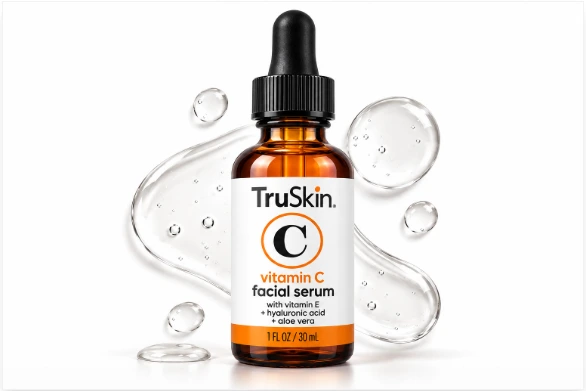
Best for: Acne-prone skin with leftover post-breakout marks
Vitamin C: Sodium ascorbyl phosphate, a vitamin C derivative
Key ingredients: Sodium ascorbyl phosphate, vitamin E, hyaluronic acid and supporting botanical ingredients
Texture: Lightweight everyday serum
Why We Picked It
TruSkin gives us something different from the strong L-ascorbic acid serums in this list. It uses sodium ascorbyl phosphate, a more stable vitamin C derivative, making it an interesting option for someone dealing with post-acne marks who doesn’t necessarily want a strong acidic formula.
It also has one of the largest Amazon customer histories among our finalists.
Pros and Cons
Pros
- Uses a stable vitamin C derivative
- Good alternative to high-strength L-ascorbic acid
- Large Amazon customer-review history
- Includes hydrating ingredients
- Reasonably priced
Cons
- Vitamin C percentage is not as clear as the 10%, 20% and 23% options
- Contains several botanical ingredients
- Some customers report breakouts
What to Know
Being our acne-prone pick does not mean this serum treats acne or that it cannot cause breakouts. We chose it mainly for readers dealing with the dark marks left behind after breakouts and wanting a derivative-based vitamin C formula.
TBT Verdict
Buy it if: Breakouts leave dark marks and you want a gentler alternative to strong L-ascorbic acid.
Skip it if: You specifically want pure vitamin C with a clearly stated concentration.
5. COSRX The Vitamin C 23 Serum
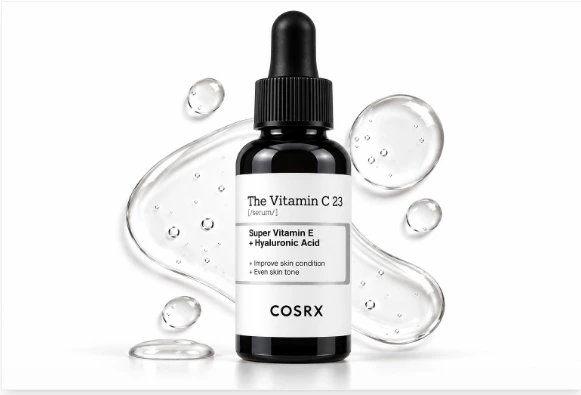
Best for: Experienced users who already tolerate strong vitamin C
Vitamin C: 23% pure ascorbic acid
Key ingredients: Ascorbic acid, vitamin E, glutathione and additional brightening support
Texture: Concentrated liquid serum
Why We Picked It
COSRX is the strongest pure-vitamin-C option in our final lineup at 23% ascorbic acid. That makes it better suited to someone who already has experience with L-ascorbic acid rather than someone buying their first vitamin C serum.
It also includes supporting antioxidant and brightening ingredients, giving the formula more than just a high percentage on the label.
Pros and Cons
Pros
- 23% pure ascorbic acid
- High-strength option
- Includes vitamin E and glutathione
- Good fit for experienced vitamin C users
- More affordable than many premium high-strength formulas
Cons
- Too aggressive for many beginners or sensitive skin types
- Some customers report irritation
- Scent can be noticeable
- Requires more careful storage
What to Know
The 23% concentration isn’t automatically an advantage. If your skin becomes irritated, a lower-strength serum may be the better dark-spot choice. COSRX makes the most sense when you already know that your skin handles L-ascorbic acid well.
TBT Verdict
Buy it if: You already tolerate pure vitamin C and intentionally want a stronger formula.
Skip it if: You’re a beginner, have reactive skin or are choosing it only because 23% sounds more effective.
6. Minimalist 10% Vitamin CSerum
Best for: Budget-conscious beginners and everyday brightening
Vitamin C: 10% vitamin C derivative
Key ingredients: Vitamin C derivative with supporting antioxidant ingredients
Texture: Lightweight serum
Why We Picked It
Minimalist is a solid choice if you want to target dark spots and uneven-looking tone without moving into a more expensive serum. Its 10% vitamin C formula offers an approachable way to add a brightening active to your daily routine.
It stands out as our budget pick because it combines dark-spot support, a beginner-friendly strength and good value, rather than being included simply because it costs less.
Pros and Cons
Pros
- Very affordable
- 10% vitamin C formula
- Strong Amazon customer history
- Lightweight texture
- Good entry point for a simple brightening routine
Cons
- Not as targeted to stubborn pigmentation as Glow Recipe
- Not a high-strength pure L-ascorbic acid serum
- May be too simple for someone wanting several pigmentation-targeting actives
What to Know
Don’t assume a budget serum or vitamin C derivative is automatically weaker for your routine. If it is comfortable enough to use consistently, that can matter more than buying a stronger serum that repeatedly irritates your skin.
TBT Verdict
Buy it if: You want an affordable vitamin C serum for everyday brightness and uneven tone.
Skip it if: You specifically want high-strength pure L-ascorbic acid or a more intensive multi-active dark-spot formula.
Does a Higher Vitamin C Percentage Fade Dark Spots Faster?
Not necessarily.
A 20% serum isn’t automatically better than a 10% or 15% formula. Concentration matters, but so do the vitamin C form, formulation, stability and your ability to use the product consistently.
A stronger serum that repeatedly irritates your skin may be a worse choice than a lower-strength formula you tolerate well.
So don’t rank the best vitamin C serums for dark spots by percentage alone.
What Ingredients Along with Vitamin C Make it Better for Dark Spots?
The best formula isn’t always the one with vitamin C doing all the work. Supporting ingredients can change what you’re actually buying.
Vitamin E + Ferulic Acid
These ingredients are commonly paired with vitamin C for antioxidant and formulation support. Their presence can strengthen the overall formula, but don’t treat them automatically as separate dark-spot treatments.
Niacinamide
Niacinamide can support more even-looking skin tone and may make a formula more useful for someone who wants broader pigmentation and barrier support.
Tranexamic Acid
When tranexamic acid appears alongside vitamin C, the product may be better viewed as a multi-active pigmentation serum rather than a traditional vitamin C serum.
Hydrating and Barrier-Supporting Ingredients
Ingredients such as glycerin and hyaluronic acid can improve hydration and tolerability. They may not fade spots themselves, but a comfortable formula is easier to use consistently.
Other Brightening Ingredients
Some formulas also contain alpha arbutin, licorice-derived ingredients or exfoliating acids. More actives don’t automatically mean better results.
Ask one useful question: Is vitamin C the main brightening strategy here, or is this a multi-active dark-spot serum containing vitamin C?
How to Choose a Vitamin C Serum for Your Skin Type
Skin type shouldn’t replace pigmentation type when choosing a serum, but it can help narrow your options.
Oily and Acne-Prone Skin
Look for a lightweight texture that layers without excessive residue. If acne keeps creating new marks, treating existing pigmentation alone won’t solve the cycle.
Our How to Unclog Pores the Right Way guide explains how to manage congestion without simply scrubbing harder.
Dry Skin
Consider hydration and supporting ingredients alongside vitamin C strength. A formula that leaves already-dry skin uncomfortable may be difficult to use consistently. If moisturizer tends to leave your skin looking flat, see Why Does My Moisturizer Make My Skin Look Dull? for troubleshooting.
Sensitive or Reactive Skin
Pay closer attention to vitamin C form, concentration, fragrance and additional actives. Introduce a new serum gradually rather than starting several active products together.
Mature Skin
Vitamin C’s antioxidant benefits can make it useful in a mature-skin routine, but don’t let anti-aging marketing distract from your main goal. For dark spots, formulation, stability and tolerance still matter.
If Your Skin Marks Easily, Don’t Ignore Irritation
If your skin develops dark marks after inflammation, chasing stronger products can backfire.
High-strength vitamin C, exfoliating acids, retinoids and other actives can create an overly demanding routine when stacked together. Persistent irritation can contribute to post-inflammatory pigmentation.
A serum you can use consistently may therefore be a smarter choice than the most aggressive formula available.
Stability Matters More Than Most Vitamin C Buyers Realize
Stability affects what you’re actually getting from the bottle.
L-ascorbic acid can be sensitive to air, light and heat, so formulation and packaging matter alongside concentration. That’s why our final product reviews will assess vitamin C form + formulation + packaging, not percentage alone. Vitamin C in dermatology review
How to Tell If Your Vitamin C Serum Has Oxidized
A major change in color, smell or appearance can be a reason to check the product’s guidance, particularly with L-ascorbic acid formulas.
Don’t use one universal color rule, though. Different serums can have different starting colors.
How to Store Vitamin C Serum
Follow the manufacturer’s directions. Generally, close the bottle properly and avoid unnecessary exposure to excessive heat or direct sunlight.
Texture and Finish Matter More Than They Sound
A great ingredient list won’t help much if you hate using the serum.
Consider whether it is watery or rich, absorbs quickly, feels sticky or greasy, leaves residue, has a noticeable scent or pills under moisturizer, sunscreen or makeup.
We’ll consider these practical details in every product review because a serum you dislike wearing is harder to use consistently.
How Long Does Vitamin C Take to Fade Dark Spots?
Don’t confuse instant glow with faded pigmentation.
A serum may quickly make skin look brighter because of hydration or finish, while actual discoloration can take much longer to change.
Results also depend on what caused the spot, how long it has been present and whether triggers such as acne, irritation or sun exposure are continuing.
That’s why there is no honest universal timeline for every dark spot.
Vitamin C Can Help Dark Spots — But It Can’t Fix Everything
Vitamin C can be one useful part of a pigmentation routine, but it doesn’t solve every cause.
Ongoing acne can create new marks. Sun exposure can work against progress. Irritation can contribute to pigmentation, and stubborn or melasma-like patches may need a different approach.
A new or changing spot, or one that bleeds, itches or otherwise looks concerning, shouldn’t simply be treated indefinitely with cosmetic brightening products.
Read our Dark Spots on Face guide for a fuller breakdown of different pigmentation patterns.
How to Use Vitamin C Serum for Dark Spots
Keep the routine simple and follow the directions for your specific serum.
How Much Vitamin C Serum Should You Apply?
Use the manufacturer’s recommended amount. More product doesn’t mean faster fading and can make layering unnecessarily difficult.
Should You Use Vitamin C in the Morning or at Night?
Either may be possible depending on the formula. Morning use is common because vitamin C provides antioxidant support and can sit underneath sunscreen.
Where Does Vitamin C Go in Your Skincare Routine?
A simple morning order is often:
Cleanser → Vitamin C Serum → Moisturizer → Sunscreen
Product texture and instructions can change the exact order. See our Skincare Routine Order: What Goes First and Why guide for the full routine.
Should You Use Vitamin C Every Day?
That depends on the serum and your skin. Some people tolerate daily use; others need to introduce it gradually.
Don’t force daily use if your skin is becoming irritated.
Vitamin C and Sunscreen: Why You Need Both for Dark Spots
Vitamin C does not replace sunscreen. Seasonal dryness can also change how comfortable active serums feel; our Fall Skincare Routine explains when to adjust hydration. American Academy of Dermatology: fading dark spots
Vitamin C provides antioxidant support; sunscreen protects against UV exposure. They perform different jobs.
If fading discoloration is your goal, daily sun protection matters because continued UV exposure can work against attempts to maintain a more even-looking tone.
If finding an SPF that works with breakout-prone skin is the problem, see our Best Sunscreens for Acne-Prone Skin guide.
What Should You Avoid Mixing With Vitamin C?
You don’t need a long list of ingredients that are universally “forbidden” with vitamin C.
The bigger concern is irritation from the complete routine.
Retinoids, AHAs, BHAs and other strong actives can already be demanding for some skin. Adding vitamin C may be too much if everything is introduced together.
Separating actives between morning and evening can make a routine easier to tolerate—for example, vitamin C in the morning and retinol at night.
That’s a tolerance strategy, not a rule that vitamin C and retinol can never exist in the same routine.
If you’re new to retinoids, our Best Retinol Serums for Beginners guide explains how to start more carefully.
How We Chose the Best Vitamin C Serums for Dark Spots
A serum doesn’t earn a place here just because it’s popular or has a high percentage on the bottle.
For the final six, we compare:
- dark-spot suitability
- vitamin C form and disclosed concentration
- complete formulation
- supporting brightening ingredients
- evidence behind relevant claims
- stability and packaging
- irritation potential
- skin-type suitability
- texture and finish
- recurring review patterns
- market performance
- value and availability
We separate manufacturer claims from independent evidence and do not claim we tested a product unless we actually did.
The goal is to find formulas that make sense for real dark-spot buyers—not simply the strongest formulas.
FAQ
Does Vitamin C Actually Fade Dark Spots?
Vitamin C can help improve the appearance of hyperpigmentation and uneven skin tone. Results depend on the type of pigmentation, formula, consistent use and whether triggers such as sun exposure or inflammation are continuing. Vitamin C evidence review
It isn’t a guaranteed fix for every dark spot.
Which Vitamin C Is Best for Hyperpigmentation?
There isn’t one form that’s best for everyone. L-ascorbic acid has the strongest established history in topical vitamin C research, while derivatives may appeal when stability or tolerability is a bigger concern.
Choose based on form + formulation + supporting ingredients + tolerance, not the ingredient name alone.
Is 10%, 15% or 20% Vitamin C Better for Dark Spots?
Higher isn’t automatically better. Concentration matters alongside vitamin C form, stability, overall formulation and how comfortably your skin can use it.
Can I Use Vitamin C With Niacinamide?
Yes, they can be part of the same routine, and some products contain both. If you’re using separate active products, introduce them gradually if your skin is sensitive.
Can I Use Vitamin C With Tranexamic Acid?
They can be used within the same pigmentation-focused routine, including in formulas containing multiple brightening ingredients. More actives still don’t automatically mean better results.
Can I Use Vitamin C and Retinol in the Same Routine?
They can be part of the same overall routine. If using both together feels irritating, a simple option is vitamin C in the morning and retinol at night.
Can Vitamin C Make Dark Spots Worse?
Vitamin C isn’t intended to darken pigmentation, but persistent irritation can be a problem for skin prone to post-inflammatory marks.
If a serum causes significant or continuing irritation, don’t assume the reaction means it is “working harder.”
How Do I Know If My Vitamin C Serum Has Gone Bad?
Watch for a significant change from its normal color, smell or texture and check the manufacturer’s guidance.
Don’t rely on one universal rule such as “yellow means bad,” because different formulas can look different from the start.
The Bottom Line
The best vitamin C serum for dark spots isn’t automatically the strongest, most expensive or most famous.
Choose according to your pigmentation concern, vitamin C form, supporting ingredients, stability and what your skin can realistically tolerate.
The right serum is one that makes sense for your skin—and that you can actually keep using.
Pingback: Skincare Routine Order: What Goes First & What You Need
Pingback: How to Get Rid of Dark Eye Circles: What Works for Each Type