
Find the best dermatologist-recommended cleanser for your skin. Compare 4 gentle picks for dry, sensitive, oily and acne-prone skin.
A dermatologist-recommended cleanser should do more than wash your face. You want a formula that cleans well without stripping your skin, with ingredients chosen for a reason—like glycerin for hydration, ceramides and niacinamide for barrier support, or benzoyl peroxide for acne.
That is also why the best dermatologist-recommended cleanser is not the same for everyone. If you want the bigger brand picture, see our Dermatologist-Recommended Skincare Brands.
Our quick answer: choose Cetaphil for a creamy everyday cleanse, Vanicream for sensitive skin, La Roche-Posay for oily or combination skin, and CeraVe’s benzoyl peroxide cleanser when active acne needs treatment.
Table of Contents
Best Dermatologist-Recommended Cleansers at a Glance
| Cleanser | Best for | Pick this if… |
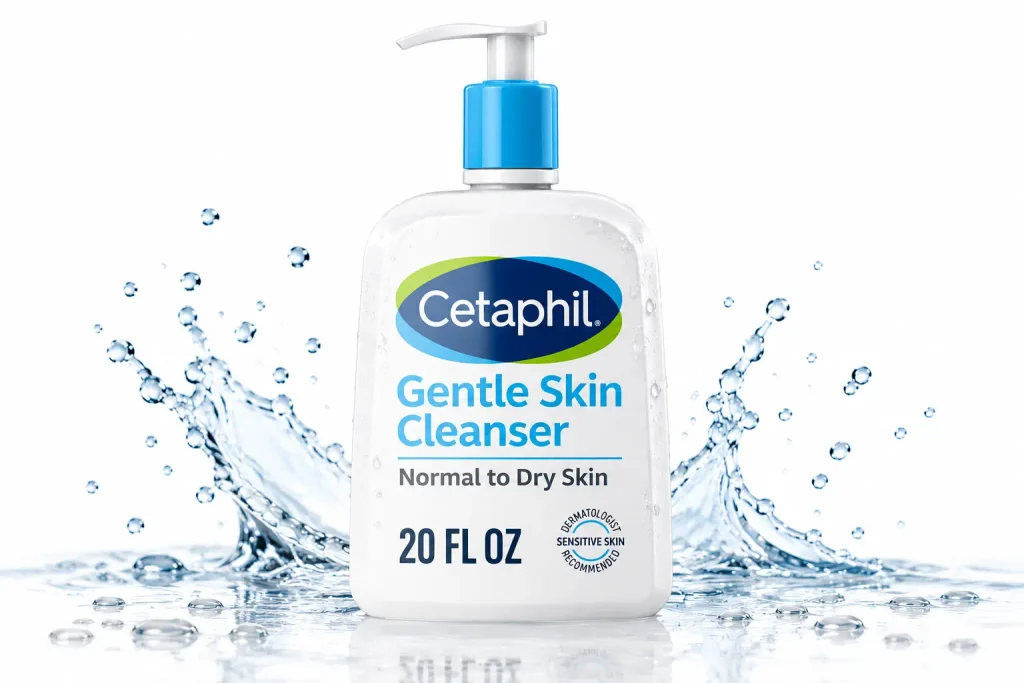
| Cetaphil Gentle Skin Cleanser | Best overall | You want a soft, creamy daily wash for normal-to-dry skin. |
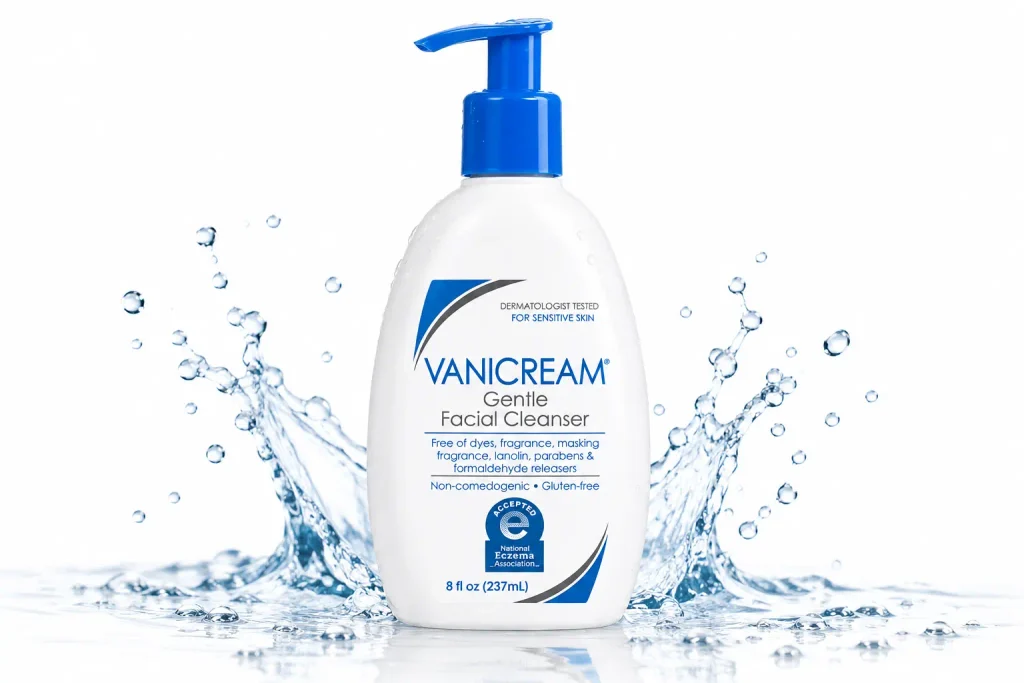
| Vanicream Gentle Facial Cleanser | Sensitive skin | Your skin reacts easily and you prefer a short, simple formula. |
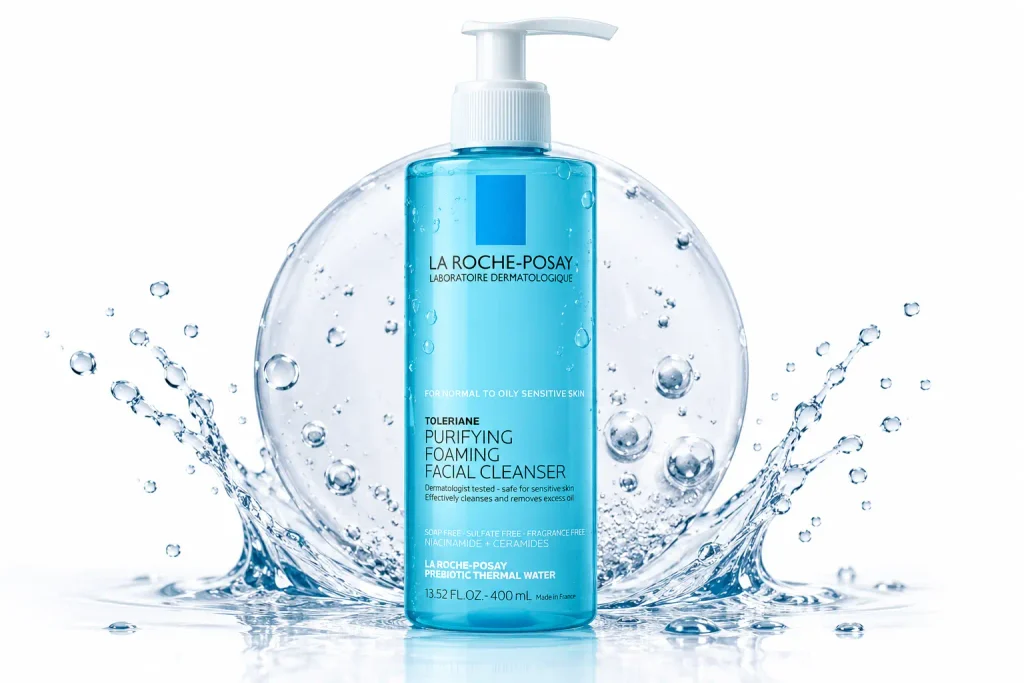
| La Roche-Posay Toleriane Purifying Foaming Face Wash | Oily & combination skin | You like foam but do not want that harsh, squeaky-clean finish. |
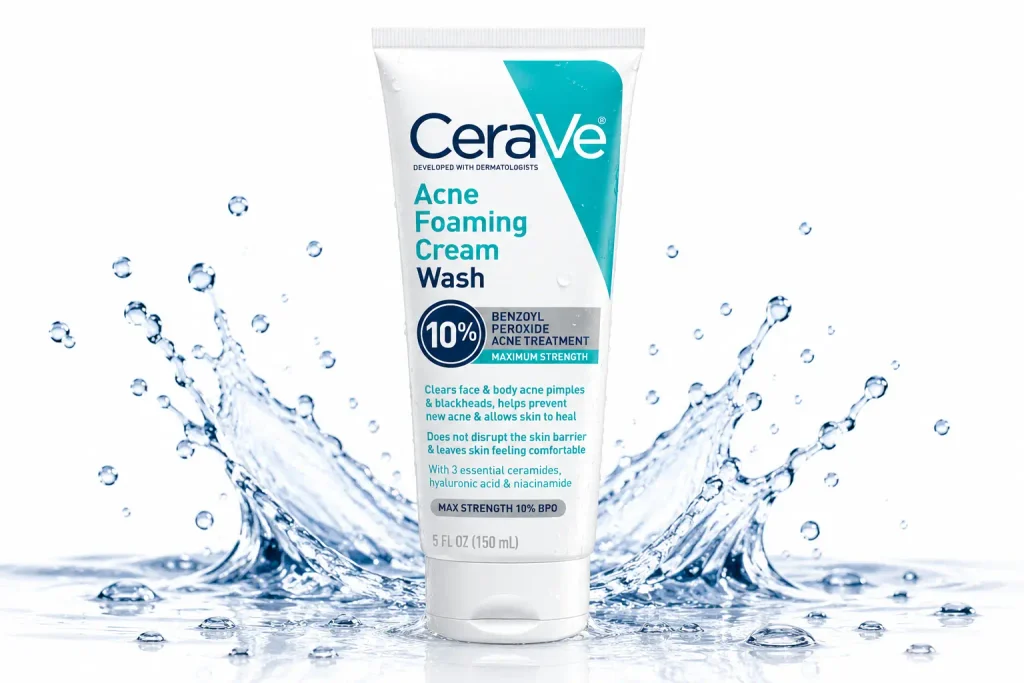
| CeraVe Acne Foaming Cream Cleanser | Acne-prone skin | You have active breakouts and want a 4% benzoyl peroxide wash. |
These four products do different jobs. If dryness is your main problem, see our Best Hydrating Cleanser guide.
Our 4 Best Dermatologist-Recommended Cleanser Picks
Cetaphil Gentle Skin Cleanser — Best Overall
Best for: Simple everyday cleansing
Skin type: Normal to dry, including sensitive skin
Texture: Creamy, low-lather cleanser
Key ingredients: Glycerin, niacinamide, panthenol
Fragrance-free: Yes
Active treatment: No
Why We Picked It: Cetaphil keeps the everyday-cleanser job simple. Its creamy formula uses glycerin, niacinamide and panthenol, and the brand positions it for normal-to-dry skin. It is a useful starting point when you want cleansing without adding an exfoliating acid or acne active to every wash.
The official Cetaphil product page says the formula is fragrance-free, dermatologist tested and clinically proven gentle on sensitive skin. It can also be used with or without water, which makes it different from the foaming options below.
Vanicream Gentle Facial Cleanser — Best for Sensitive Skin
Best for: Easily irritated or reactive skin
Skin type: Dry and sensitive
Texture: Light gel cleanser
Key ingredients: Glycerin and mild cleansing agents
Fragrance-free: Yes
Active treatment: No
Why We Picked It: Vanicream stands out because the formula is deliberately uncomplicated. It is made for people who want to avoid many common extras rather than chase a long ingredient list. That makes it especially easy to understand when sensitivity is the reason you are changing cleansers.
According to Vanicream, the cleanser is soap-free, sulfate-free, pH-balanced and non-comedogenic. It contains no botanical extracts or essential oils and carries the National Eczema Association Seal of Acceptance. The brand says it removes makeup and excess oil without drying the skin.
La Roche-Posay Toleriane Purifying Foaming Face Wash — Best for Oily & Combination Skin
Best for: Removing excess oil without a harsh finish
Skin type: Normal, combination and oily
Texture: Foaming gel
Key ingredients: Glycerin, niacinamide, ceramide NP
Fragrance-free: Yes
Active treatment: No
Why We Picked It: Oily skin does not need to feel dry after cleansing. This formula gives you the fresh feel of a foam while still including glycerin, niacinamide and a ceramide. It is the most natural fit here for someone who dislikes creamy cleansers but also wants to avoid an aggressive wash.
The La Roche-Posay product page lists it for normal-to-oily skin and says it is fragrance-free, oil-free, soap-free, sulfate-free and non-comedogenic. It is designed to remove dirt, makeup, impurities and excess oil while maintaining the skin’s natural moisture barrier and pH.
CeraVe Acne Foaming Cream Cleanser — Best for Acne-Prone Skin
Best for: Active acne breakouts
Skin type: Acne-prone skin
Texture: Cream-to-foam cleanser
Key ingredients: 4% benzoyl peroxide, ceramides, niacinamide, hyaluronic acid
Fragrance-free: Yes
Active treatment: Yes — 4% benzoyl peroxide
Why We Picked It: This is the one pick that is meant to treat, not just cleanse. Its 4% benzoyl peroxide makes sense when inflamed pimples are the problem. The creamy base and supporting ingredients also make it a more considered choice than simply reaching for the strongest acne wash you can find.
CeraVe confirms that the cleanser contains 4% benzoyl peroxide and is made for acne-prone skin with active breakouts. Because benzoyl peroxide is an acne treatment, start according to the label and watch how your skin responds. More treatment is not automatically better.
If clogged pores and texture are your bigger issue, our Best Exfoliating Face Wash guide explains when an exfoliating cleanser may make more sense. For a complete breakout routine, see our Acne Skincare Routine. For daytime protection, compare our Best Sunscreens for Acne-Prone Skin.
What Do Dermatologists Look for in a Cleanser?
When choosing the best dermatologist-recommended cleanser, focus on what your skin actually needs. A good cleanser should remove dirt, oil and daily buildup without leaving your skin feeling tight, dry or uncomfortable.
Gentle cleansing comes first. The AAD recommends a gentle, non-abrasive cleanser without alcohol. It also advises using lukewarm water and your fingertips, then patting the face dry. Scrubbing harder does not make skin cleaner in a useful way; it can simply add irritation.
Skin type changes the texture you may prefer. Dry skin often feels better with a creamier wash. Oily skin may prefer a gel or foam that removes excess sebum without leaving the face tight. Sensitive skin usually benefits from keeping unnecessary fragrance and irritating extras out of the routine.
Actives need a reason. A treatment cleanser can be helpful when you are targeting acne or clogged pores, but it is not an upgrade that everyone needs. If your regular cleanser already leaves your skin comfortable and clean, you do not need to turn every wash into an exfoliating or acne-treatment step.
What Makes a Dermatologist-Recommended Cleanser Different?
A good dermatologist-recommended cleanser should do more than simply make your face feel clean. Look for gentle cleansing agents, hydrating ingredients and barrier support that match what your skin actually needs.
Cetaphil Gentle Skin Cleanser focuses on gentle cleansing and hydration, while Vanicream Gentle Facial Cleanser keeps things simple for sensitive skin.
La Roche-Posay Toleriane Purifying Foaming Facial Cleanser adds ceramides and niacinamide, making it a good fit when you want a foaming cleanser without ignoring the skin barrier. For another foaming option, see our CeraVe Foaming Facial Cleanser Review.
For acne, CeraVe Acne Foaming Cream Wash contains 10% benzoyl peroxide, so it cleanses while also targeting acne. If clogged pores are your main concern, our CeraVe Renewing SA Cleanser Review covers a salicylic acid option instead.
Daily Cleanser vs Treatment Cleanser: Know the Difference
This is one of the easiest ways to narrow down the best dermatologist-recommended cleanser for you. A daily cleanser mainly removes what has built up on the skin. A treatment cleanser also delivers an active ingredient for a specific concern.
How Often Should You Wash Your Face?
For most people, cleansing morning and night is enough. The AAD recommends limiting face washing to twice a day and after heavy sweating. Our Skincare Routine Order shows where cleanser fits with treatments, moisturizer and sunscreen.
Your skin can still guide you. Very dry skin may prefer a lighter morning cleanse, while sunscreen, makeup and daily buildup make evening cleansing useful. If your moisturizer later leaves skin looking flat or coated, see Why Does My Moisturizer Make My Skin Look Dull? Avoid repeatedly washing just because your face feels oily.
FAQs
What is the best dermatologist-recommended cleanser overall?
Cetaphil Gentle Skin Cleanser is our broad everyday pick. Choose Vanicream for sensitivity, La Roche-Posay for oilier skin, or CeraVe 4% benzoyl peroxide cleanser for active acne.
Do dermatologists recommend foaming cleansers?
Yes. Foaming cleansers can suit oily or combination skin when the formula cleans without leaving skin tight or stripped.
Should sensitive skin avoid all active cleansers?
No. Sensitive skin does not need to avoid every active, but a simple cleanser is often the easier starting point.
Is an expensive cleanser better?
No. Price does not decide whether a cleanser suits your skin. Formula, skin type and how your face feels after washing matter more.
The TBT Takeaway
Pick the cleanser that matches your skin: gentle for daily cleansing, foaming for excess oil, or treatment-based when acne needs it.
Keep it simple: clean skin should feel comfortable, not tight.