
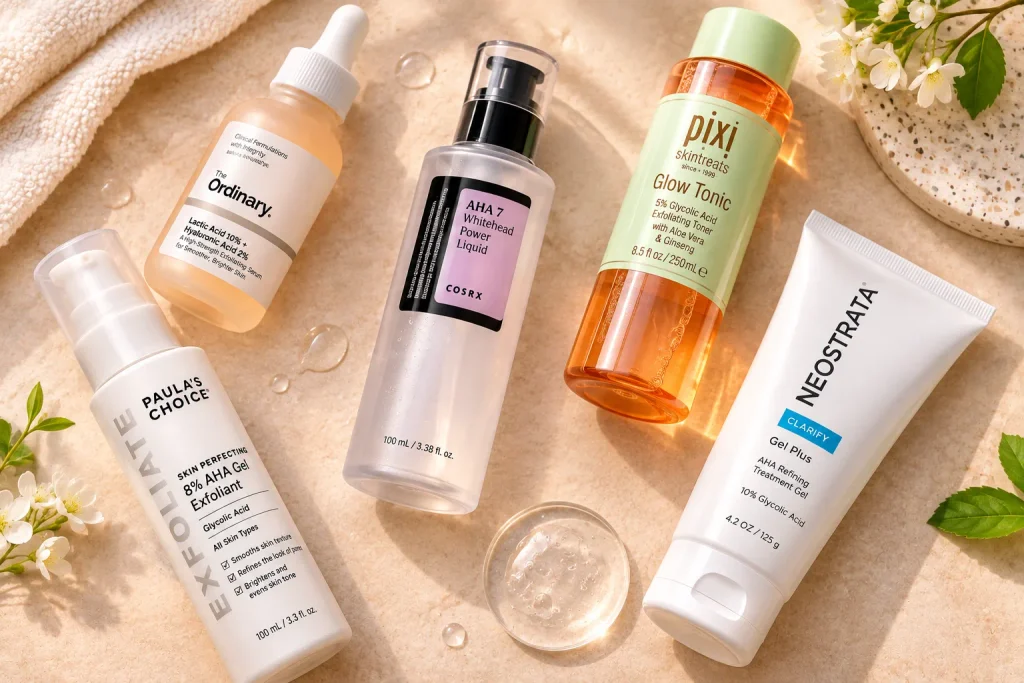
An AHA exfoliant is a leave on product that melts away the dull top layer of your skin, and the right one depends on which acid it uses.
That is where most people go wrong. AHA is a family, not one ingredient. Mandelic acid is the slow, kind one. Lactic acid is the soft, hydrating one. Glycolic acid is the fast one, and it is the one most likely to sting if you rush.
So we ranked 6 picks from the mildest to the strongest, from $9 to $57. Start at the top if your skin is sensitive. Start in the middle if you want smoother texture. Short on time? Choose The Ordinary for a cheap, gentle start or Paula’s Choice for a classic that works.
In this article
Quick Picks, Mildest to Strongest
| Pick | AHA type | Strength | Price |
| Naturium Mandelic Acid 12% | Mandelic | 12%, slow acting | $16.00 |
| The Ordinary Lactic Acid 10% + HA | Lactic | 10% | $9.20 |
| Pixi Glow Tonic | Glycolic | 5% | $28.42 |
| COSRX AHA 7 Whitehead Power Liquid | Glycolic | 7% | $14.13 |
| Paula’s Choice SKIN PERFECTING 8% AHA Gel | Glycolic | 8% | $37.00 |
| NeoStrata Gel Plus AHA 15 | Glycolic | AHA 15, strongest | $57.00 |
The 6 Best AHA Exfoliants for Face
1. Naturium Mandelic Acid Topical Acid 12%
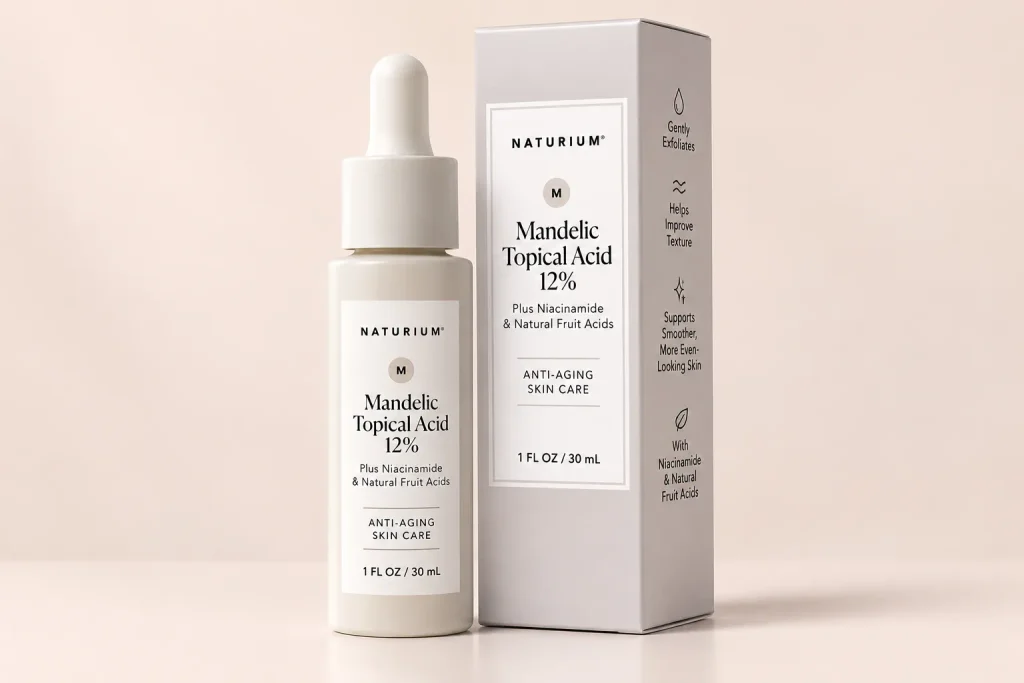
- Best forSensitive skin
- TextureLight serum
- Key activesMandelic acid 12%, niacinamide
- Price$16.00
Mandelic acid has bigger molecules, so it works slowly and stays closer to the surface. That makes it the softest aha exfoliant on our list. Naturium adds niacinamide, so skin looks clearer and more even without the sting you may know from glycolic acid.
Pros:
- Slow acting mandelic acid
- Niacinamide for a more even tone
- Made for all skin types, even sensitive
- Under $20
Cons:
- Results build slowly
- Small 1 oz size
2. The Ordinary Lactic Acid 10% + HA
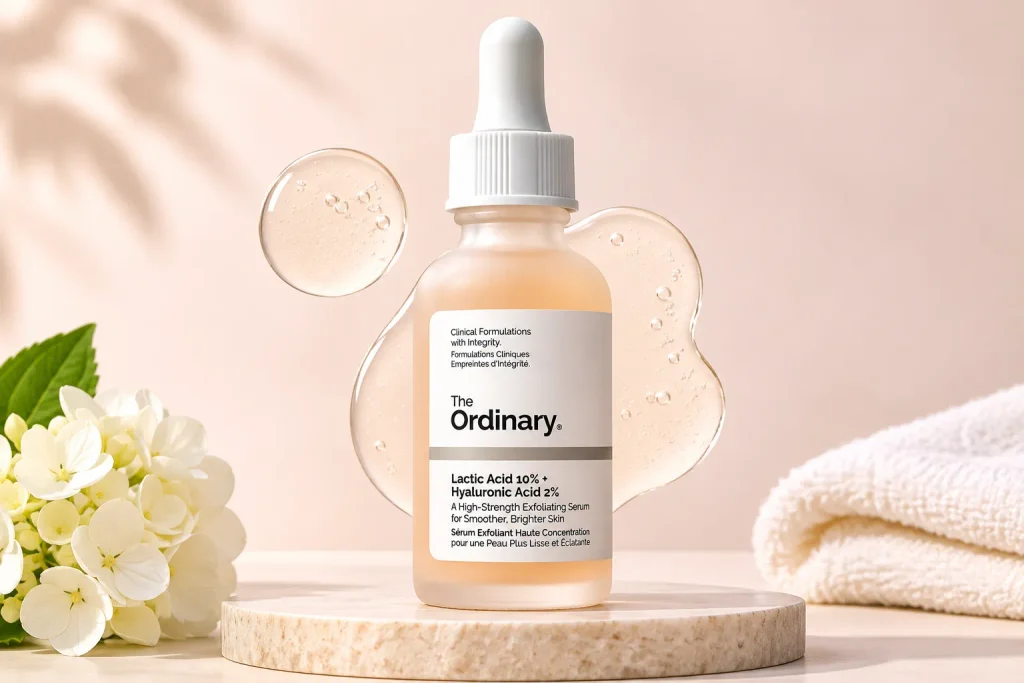
- Best forDry skin, beginners
- TextureSerum
- Key activesLactic acid 10%, hyaluronic acid
- Price$9.20
Lactic acid is a gentler cousin of glycolic acid, and it holds water in the skin. This serum pairs 10% lactic acid with hyaluronic acid, so dry skin gets smoother texture without feeling stripped. At $9.20 it is the easiest aha exfoliant to try.
Pros:
- Lactic acid is kind to dry skin
- Hyaluronic acid adds moisture
- Lowest price on the list
- Simple, no fuss formula
Cons:
- Tingles on first use
- Not the strongest for rough texture
3. Pixi Glow Tonic
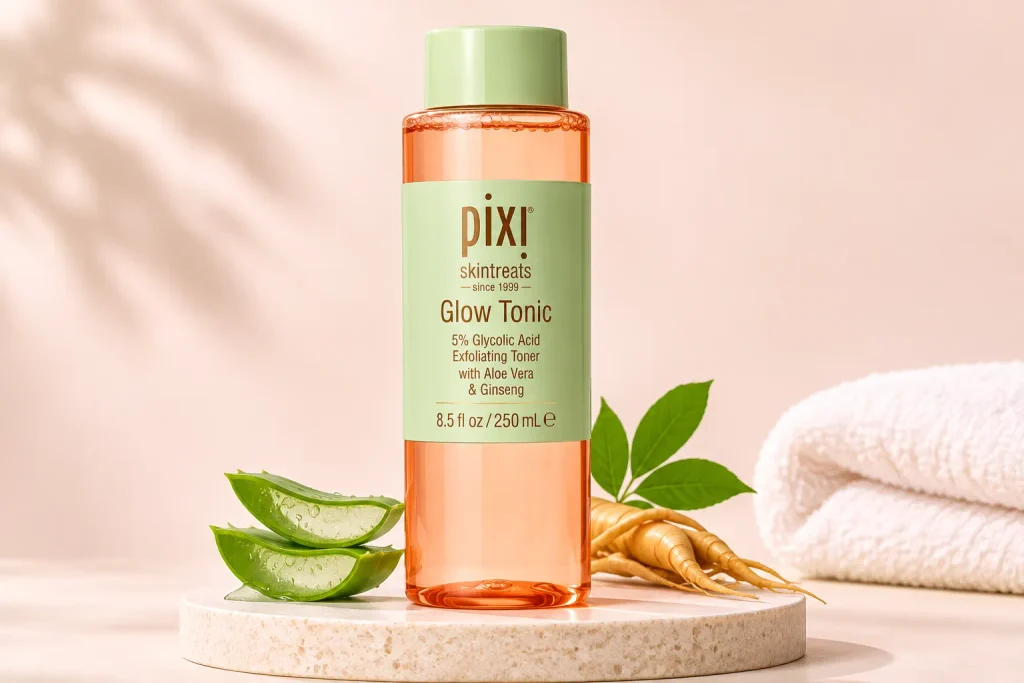
- Best forDullness, daily glow
- TextureToner
- Key activesGlycolic acid 5%, aloe vera
- Price$28.42
A cult classic for a reason. The 5% glycolic acid sweeps away dead skin, while aloe vera keeps the toner soothing. Because it is a toner, it is easy to swipe on with a cotton pad and fits straight into your routine.
Pros:
- 5% glycolic acid, a safe starting strength
- Aloe vera soothes
- Swipes on like a toner
- Brightens dull skin
Cons:
- Costs more than COSRX
- Cotton pad use can waste product
4. COSRX AHA 7 Whitehead Power Liquid
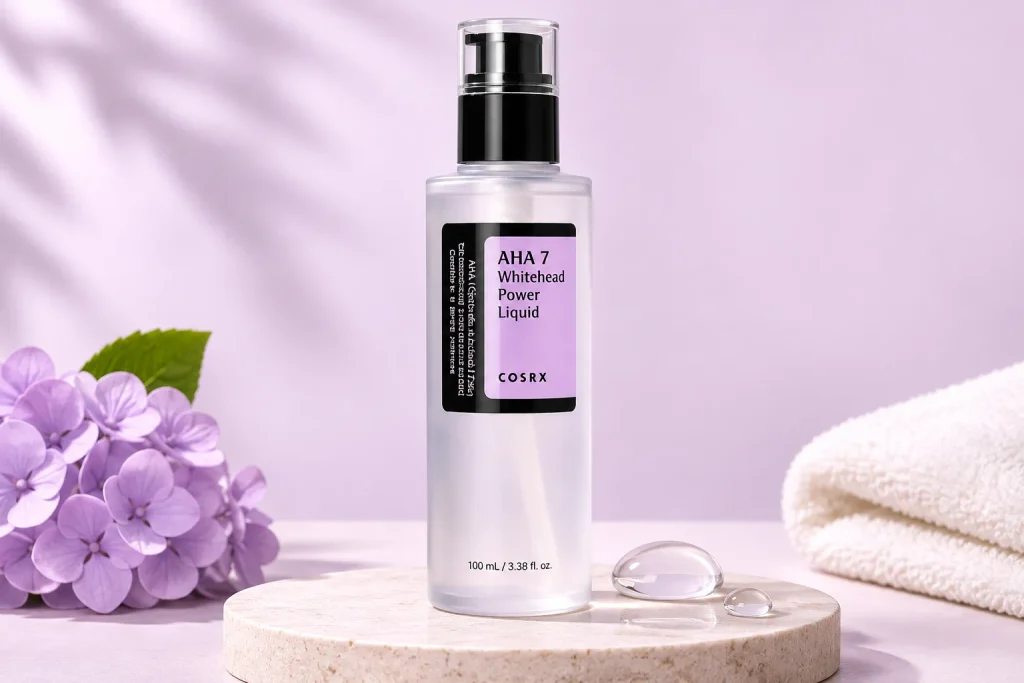
- Best forBumpy texture, whiteheads
- TextureLiquid
- Key activesGlycolic acid 7%, hyaluronic acid
- Price$14.13
COSRX keeps it simple with just 10 ingredients. The 7% glycolic acid smooths small bumps and whiteheads, and hyaluronic acid keeps dry to combination skin from feeling tight. It is a good step up once you are used to a 5% toner.
Pros:
- 7% glycolic acid for bumpy texture
- Hyaluronic acid keeps skin comfortable
- Short, simple ingredient list
- Under $15
Cons:
- Not for very sensitive skin
- Stock can run low
5. Paula’s Choice SKIN PERFECTING 8% AHA Gel Exfoliant
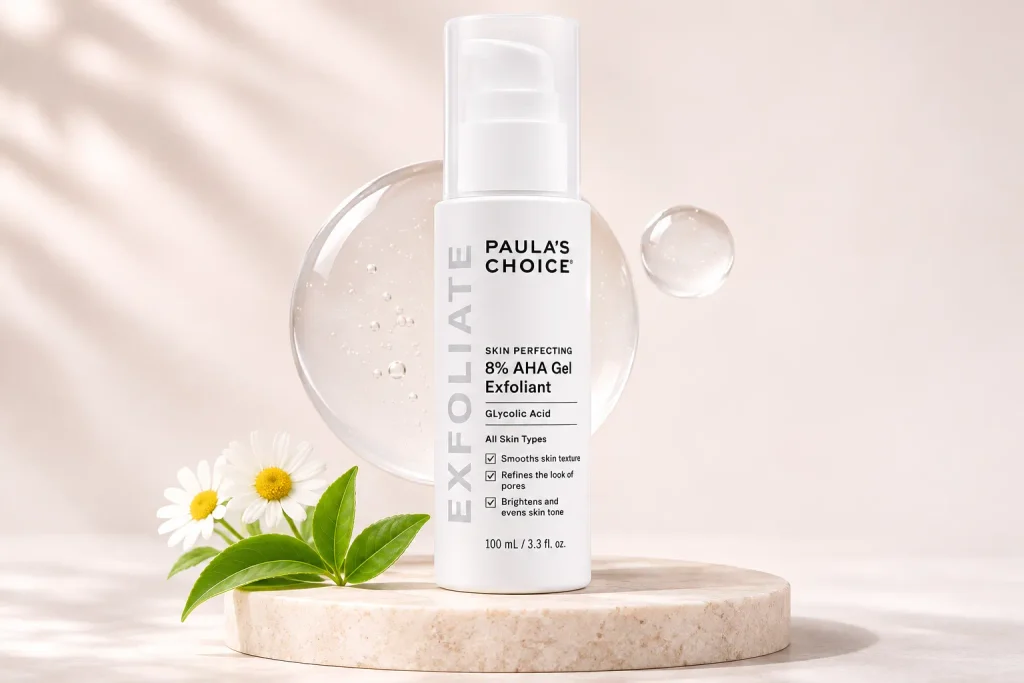
- Best forTexture, fine lines
- TextureGel
- Key activesGlycolic acid 8%
- Price$37.00
This is the aha exfoliant we reach for when we want visible smoothing. The 8% glycolic gel softens rough texture and fine lines, and the lightweight gel sits well under moisturizer. It is our overall pick for people who already tolerate acids.
Pros:
- 8% glycolic acid for clear smoothing
- Lightweight gel texture
- Helps fine lines and rough patches
- Trusted, widely reviewed brand
Cons:
- Not for first timers
- Higher price than most
6. NeoStrata Gel Plus AHA 15
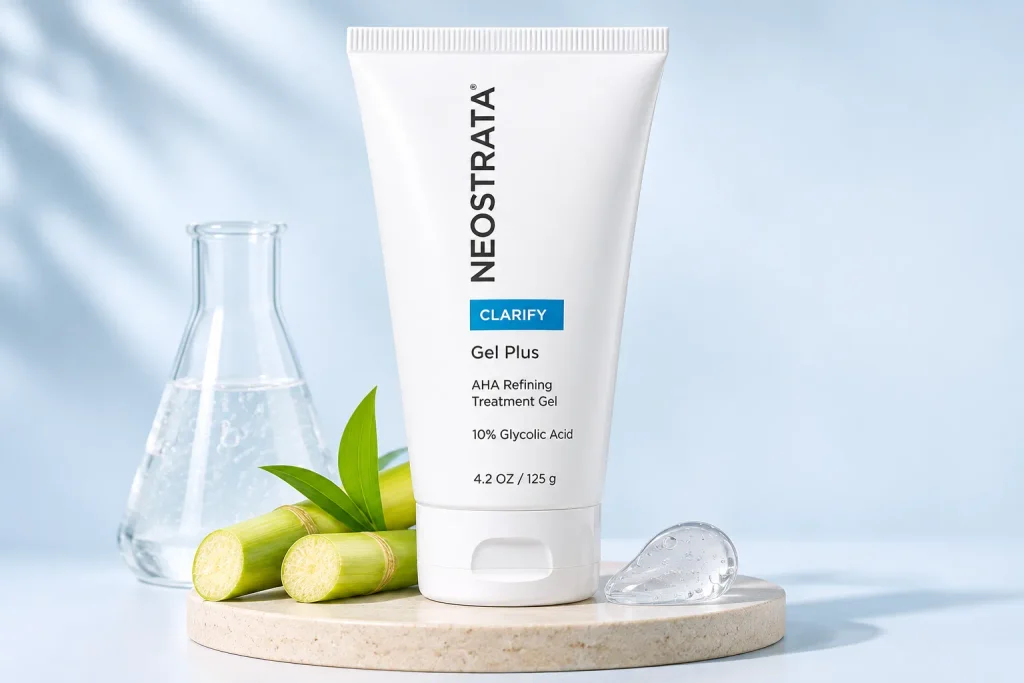
- Best forOily or mature skin
- TextureLightweight gel
- Key activesGlycolic acid, AHA 15
- Price$57.00
The strongest pick on our list, so keep it for skin that already handles acids. It is a lightweight, fragrance free and oil free gel, which makes it a good face exfoliator for mature skin that is also oily. It smooths lines and rough patches.
Pros:
- Strongest formula on the list
- Fragrance free, oil free gel
- Great for oily or mature skin
- Smooths lines and rough patches
Cons:
- Highest price on the list
- Not for sensitive skin
Glycolic, Lactic or Mandelic: Which AHA Should You Start With?
The three acids on our list work in the same way, but at different speeds. Smaller molecules go deeper and faster, so glycolic acid works best and irritates most. Larger molecules work slower, so lactic and mandelic acid are easier to tolerate.
- Smallest molecule, works fastest
- Best for texture, bumps and fine lines
- Most likely to sting
- Start under 5% if you are new
- Larger molecules, work more slowly
- Best for sensitive, dry or first time skin
- Lactic acid also helps hold water in skin
- Mandelic acid is the softest of the three
How Strong Should an AHA Exfoliant Be?
Start low. Under 5% glycolic acid, or about 10% lactic acid, is a good first step. The FDA notes that the industry safety panel considers AHA products safe at 10% or less, with a pH of at least 3.5 and daily sun protection. Higher is not better. A well tolerated 7% beats a 15% that leaves you red. Many labels do not show the percentage at all, which is why we only list products where the acid and strength are clear. For any aha exfoliant, the type of acid and the pH matter as much as the number.
Which AHA Exfoliant Suits Your Skin?
Sensitive skin: Pick Naturium or The Ordinary. Mandelic and lactic acid are the kind ones, so they make the safest aha exfoliant for sensitive skin.
Dry skin: Pick The Ordinary lactic acid, which also helps hold water in the skin.
Oily or bumpy skin: Pick Pixi or COSRX. For blackheads, pair them with a salicylic acid cleanser.
Mature skin: For the best face exfoliator for mature skin, pick Paula’s Choice or NeoStrata once your skin is used to acids.
Leave On or Rinse Off Exfoliant?
A leave on exfoliant stays on your skin, so it works longer and goes deeper. That is why a leave on aha exfoliant can change texture faster than a wash, and why it needs more care. A wash off formula is milder, because it is rinsed away in under a minute. If you are sensitive, our gentle exfoliating cleanser guide is a softer start, and our glycolic acid cleanser picks sit in between.
How to Use an AHA Exfoliant
Use your aha exfoliant at night on clean, dry skin. Wait a minute after washing so the skin is fully dry, because damp skin takes in more acid and can sting. Apply a thin layer, or one swipe of toner, and avoid the eyes and lips. Moisturize after, and wear sunscreen the next morning.
- Week 1: Use it once, then watch your skin for a day.
- Week 2: Use it twice, with a night off between.
- Weeks 3 and 4: Add a third night only if there is no redness or tightness.
- Every morning: Wear SPF 30 or higher.
Our how to exfoliate your face properly guide shows how an AHA fits into a full week. The FDA says to use sunscreen and limit sun while using these products and for a week afterwards. For the morning, see our non comedogenic sunscreen picks.
Mixing With Retinol, Vitamin C and Other Acids
Keep one active at a time on a night. Do not use an AHA exfoliant on the same night as retinol, and do not stack it with a BHA or a scrub. Niacinamide and hyaluronic acid are friendly partners. For a softer retinol start, see our retinol serums for beginners, and our skincare routine order guide shows where each step goes.
Signs You Are Overdoing It
Redness, burning or stinging: Your skin barrier needs a break from any aha exfoliant.
Tight, shiny skin: This often means too much exfoliation, not oily skin.
Peeling or flaking: Stop for a week and moisturize.
Plain creams sting: Pause everything except a gentle cleanser and moisturizer.
Who Should Be Careful?
The AAD says people with darker skin or dark spots from burns, bites or acne should avoid strong exfoliation, because irritation can leave dark marks. Start with mandelic or lactic acid, and see our dark spots on face guide. Skip any aha exfoliant on open wounds or sunburn. If you have rosacea, eczema or are pregnant, ask your doctor first.
How We Choose
We choose each aha exfoliant on its acid type, strength and how kind it feels on skin. We only list leave on products with the acid and the percentage clear, and each pick is a single, widely available product with a current price.
FAQs
What is the difference between AHA and BHA?
AHAs are water soluble and work on the skin surface, so they help with texture and dullness. BHAs are oil soluble and work inside pores, so they suit blackheads and oily skin.
Can I use an AHA exfoliant every day?
Most people should not at first. Start once a week, then build up. Gentle lactic and mandelic formulas may suit more frequent use later, but a daily aha exfoliant is rarely needed.
Should I use an AHA exfoliant in the morning or at night?
Night is best. AHAs make skin more sensitive to the sun, so if you use one in the morning, wear sunscreen.
Can I use an AHA exfoliant on my body?
Yes, glycolic and lactic acid can help rough, dry skin on the body. Start slowly there too.
Can I use niacinamide with an AHA exfoliant?
Yes. Niacinamide is a friendly partner and can help calm skin. Naturium already combines it with mandelic acid.
Is hyaluronic acid an AHA?
No. Despite its name, hyaluronic acid does not exfoliate. It hydrates, which is why it pairs well with an AHA exfoliant.
Bottom Line
The best aha exfoliant is the one that matches your skin’s tolerance. Choose Naturium or The Ordinary for a gentle start, Pixi or COSRX for texture, and Paula’s Choice or NeoStrata once your skin handles acids. Start once a week, moisturize, and wear sunscreen every morning. Smoother skin comes from patience, not from the strongest bottle.