
Medical grade skincare sounds serious, expensive and a little bit scary. Like it should come with a white coat.
So is it a real upgrade, or just a fancy label? Honestly, a bit of both.
Here is the part nobody prints on the box: there is no legal definition for the term. Any brand can use it. Some of the products behind it are excellent, and some are just pricey.
So I explain what medical grade skincare really means, and I picked 5 professional skin care products that earn their price.
Quick answer: medical grade skincare is a marketing term for stronger, professionally sold products. It is worth it for concerns like sun damage, acne or dark spots, not for basic care. If you try only one, start with sunscreen: EltaMD UV Clear SPF 46.
In this article
Our Quick Picks at a Glance
| Pick | Best for | Key active |
|---|---|---|
| 1. EltaMD UV Clear SPF 46 | Daily sun protection | Zinc oxide and niacinamide |
| 2. Obagi Medical Professional-C 15% Serum | Dullness and uneven tone | 15% vitamin C |
| 3. Sunday Riley Good Genes | Gentle exfoliation | Lactic acid |
| 4. SkinBetter Science AlphaRet Overnight Cream | Fine lines at night | Retinoid and glycolic acid |
| 5. Revision D.E.J. Eye Cream | Crepey eyelids | Vitamin C derivative and peptides |
Our 5 Professional Picks
Each pick below is a single medical grade skincare product with a clear job, so you can build a short routine instead of buying a shelf of jars.
1. EltaMD UV Clear SPF 46: Best Sunscreen
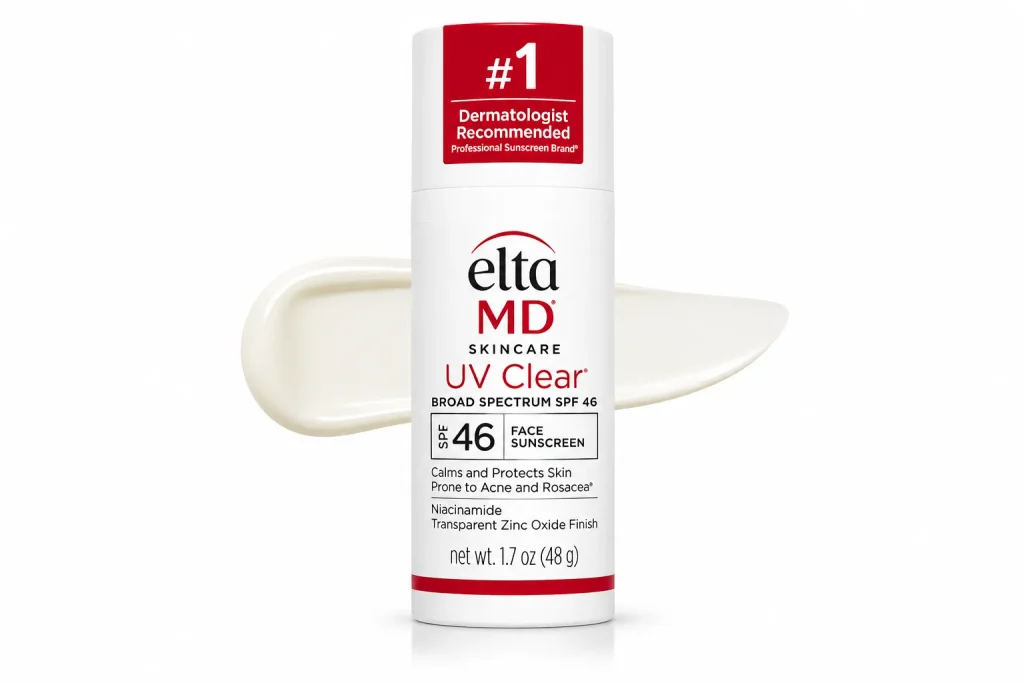
- Best forSensitive and acne prone skin
- TextureLightweight, oil free lotion
- Key actives9% zinc oxide, 5% niacinamide
- Price$46
If you only buy one thing from the medical grade skincare world, make it this. It carries 9% zinc oxide and 5% niacinamide, is made for sensitive and acne prone skin, and is fragrance free and oil free. In our opinion it is the easiest professional product to say yes to.
Pros:
- Fragrance free and oil free
- Non comedogenic, says the brand
- 5% niacinamide to calm skin
- Suits sensitive and acne prone skin
Cons:
- Includes a chemical filter some people avoid
- Costs more than drugstore sunscreen
2. Obagi Medical Professional-C 15% Vitamin C Serum: Best Vitamin C
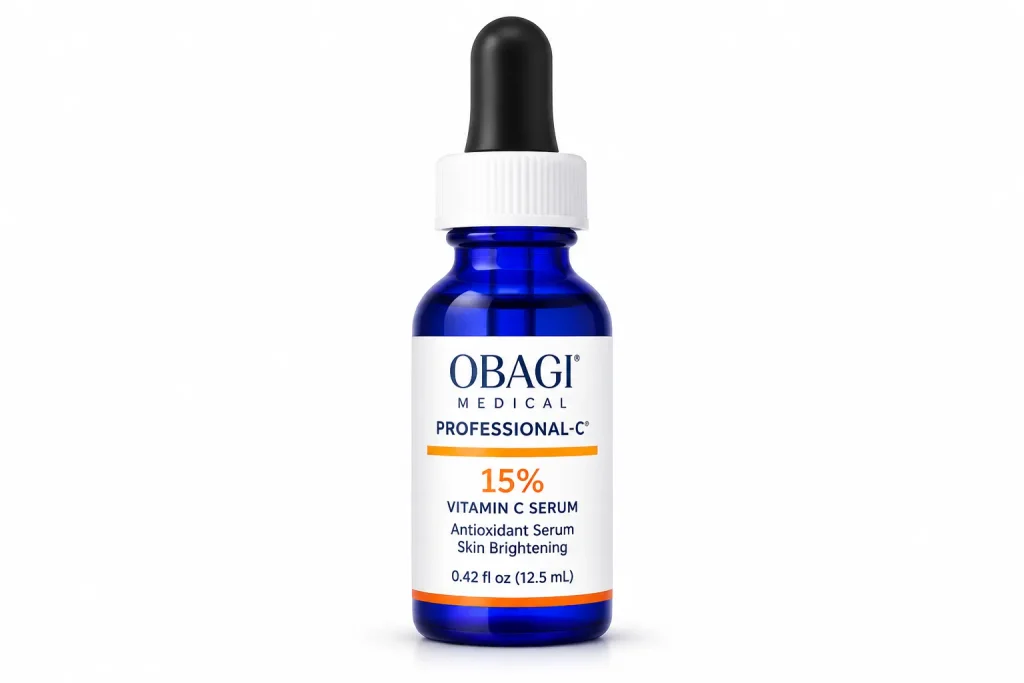
- Best forDullness and uneven tone
- TextureSerum
- Key actives15% vitamin C
- Price$75
Obagi is one of the best known names in professional skin care, and this serum is its classic vitamin C. It packs 15% vitamin C into a small bottle, and the brand says it helps brighten skin tone and soften the look of fine lines. Use it in the morning, under sunscreen.
Pros:
- 15% vitamin C
- Targets uneven tone and fine lines
- From a well known professional brand
- One simple morning step
Cons:
- Small 0.42 oz bottle for the price
- Vitamin C at this strength can sting sensitive skin
3. Sunday Riley Good Genes: Best Exfoliating Treatment
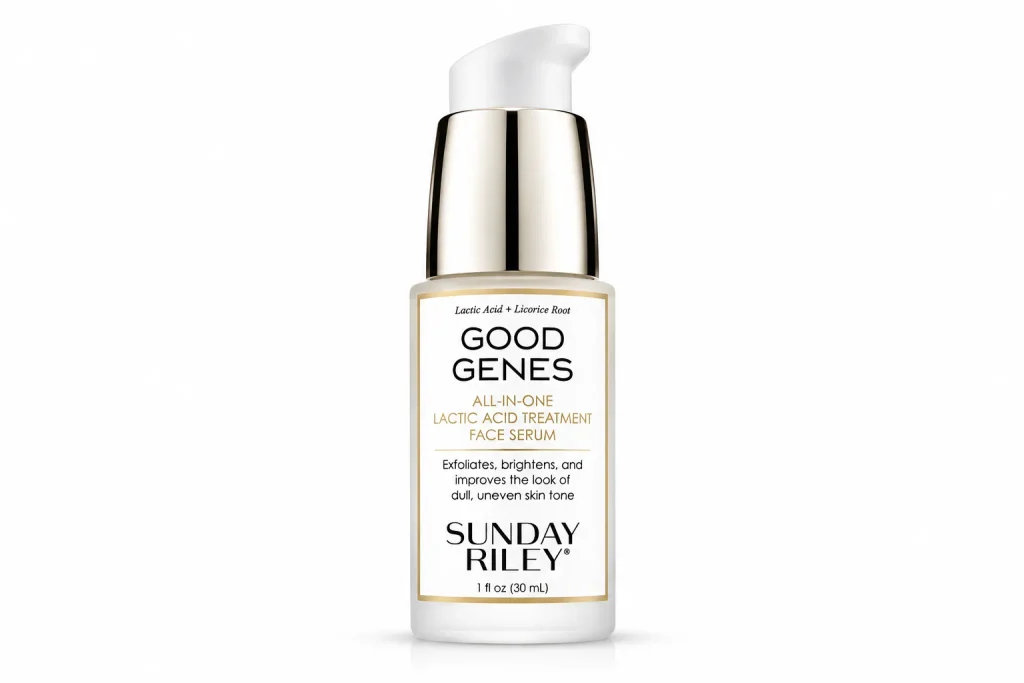
- Best forDull, uneven texture
- TextureSmooth leave on treatment
- Key activesLactic acid, licorice, lemongrass
- Price$85
Lactic acid is one of the gentler exfoliating acids, and this treatment pairs it with licorice and lemongrass. The brand says you can use it as a short mask if your skin is sensitive, and newcomers should start a few times a week.
Pros:
- Lactic acid gently smooths dull skin
- Can be used as a short mask for sensitive skin
- Vegan and cruelty free
- Absorbs without a sticky feel, say reviewers
Cons:
- Pricey for the size
- The scent divides reviewers
4. SkinBetter Science AlphaRet Overnight Cream: Best Retinoid Cream
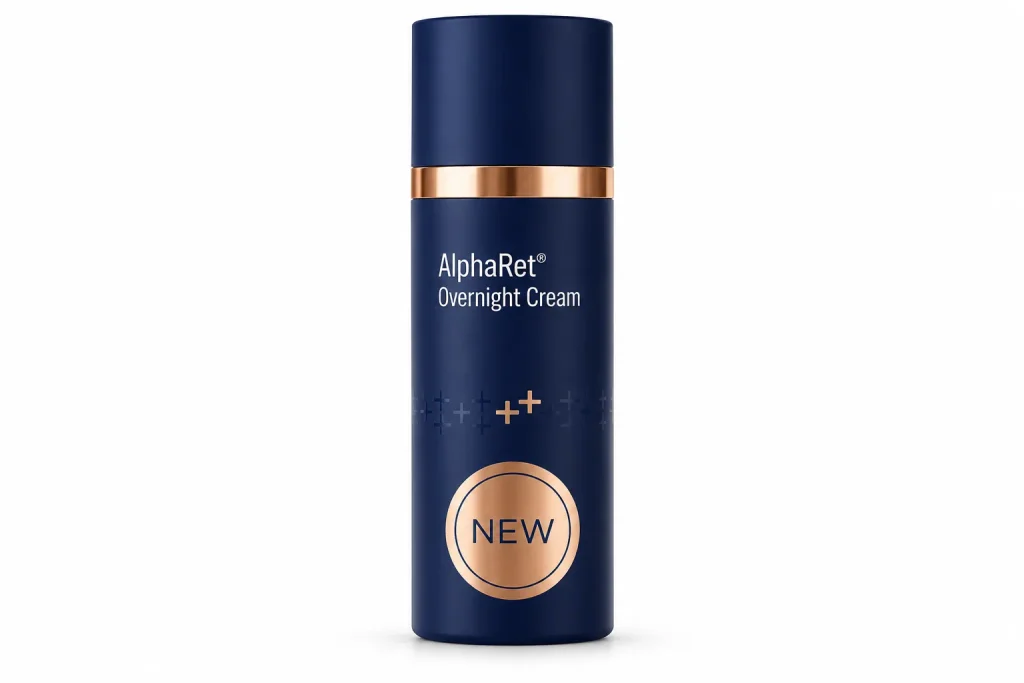
- Best forFine lines and texture
- TextureNight cream
- Key activesEthyl lactyl retinoate, glycolic acid, niacinamide
- Price$98.85
A night cream that blends a retinoid with glycolic acid, then cushions them with niacinamide, hyaluronic acid, ceramide and squalane. The brand says to use a thin layer in the evening, skip the eye area and wear sunscreen by day, and reviewers describe it as not drying.
Pros:
- Retinoid and AHA in one cream
- Hydrating extras like ceramide and squalane
- No fragrance ingredient listed
- Reviewers call it non drying
Cons:
- Very expensive
- Often sold through professional channels, so stock can be limited
5. Revision D.E.J. Eye Cream: Best Eye Cream
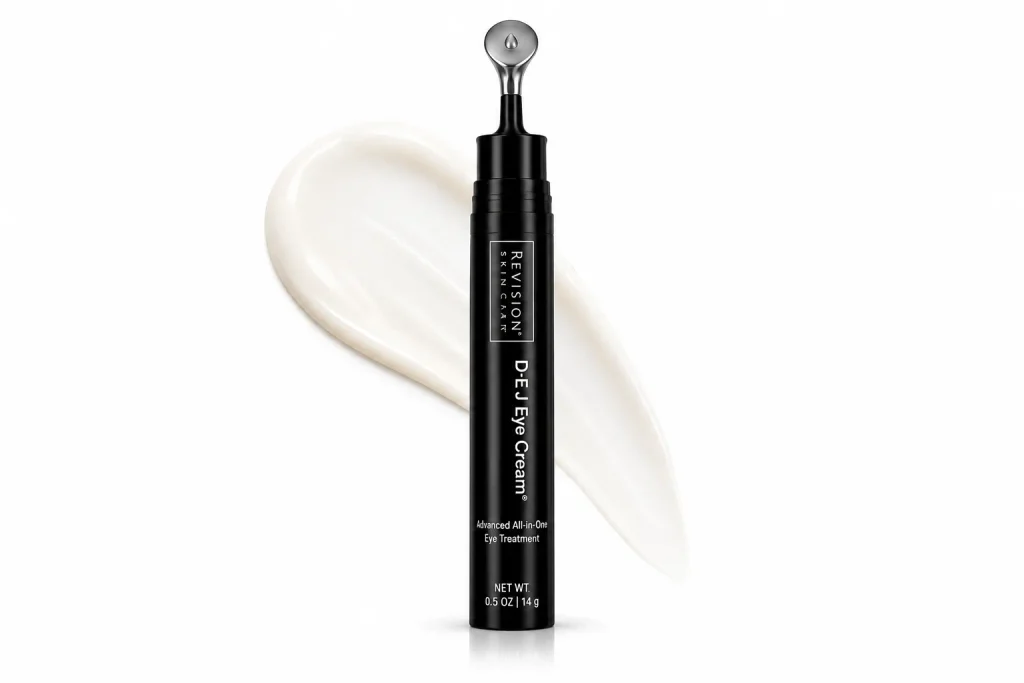
- Best forCrepey eyelids
- TextureCream with cooling applicator
- Key activesVitamin C derivative, hyaluronic acid, peptides
- Price$125
Most eye creams stop at under the eyes. This one is built for the eyelids too, with a vitamin C derivative, hyaluronic acid and a peptide, plus a cooling metal applicator. The brand says to use it twice a day.
Pros:
- Made for eyelids as well as under eyes
- Vitamin C derivative plus peptides
- Cooling metal applicator
- Can be used morning and night
Cons:
- Costly for a small jar
- One reviewer with sensitive eyes got irritation
What Medical Grade Skincare Means
In plain words, medical grade skincare is the name given to products usually sold through dermatologists, clinics and licensed providers. Brands say they use stronger amounts of well studied ingredients and back them with clinical research.
Among professional skin care brands, the lines SkinCeuticals, ZO Skin Health, SkinMedica, iS Clinical and Revision Skincare all use this language. These professional skin care lines are what most people mean by medical grade skincare. You will also see it called professional skincare or pro skin care. Different words, same idea: a step above the drugstore shelf, at least on paper.
Is Medical Grade Skincare Regulated?
No, not as a category. The FDA does not define or approve the phrase medical grade skincare, so a brand can use it freely. Most of these products are legally cosmetics, and cosmetics are checked for safety and labeling, not for whether they work. You can read how the FDA treats cosmetics on its own page.
A medical grade skin care product can be a cosmetic, an over the counter drug such as sunscreen, or a medical device. So the label alone tells you nothing about strength, safety or results. Rules also change by country: hydroquinone and some sunscreen filters are treated differently in the US and Canada.
Medical Grade vs Pharmaceutical Grade vs Prescription
- Drugstore (OTC): lower strength products for everyone.
- Medical grade: a cosmetic sold through professionals, with evidence based ingredients but no special standard.
- Pharmaceutical grade: a marketing term. It may mean purer ingredients and strict manufacturing, but it is not a government label.
- Prescription: high strength drugs such as tretinoin, overseen by a doctor.
Only prescription products sit in a different legal class, which is why medical grade skincare cannot officially claim to work differently from drugstore products.
What Is Actually Different?
- Stronger or better studied actives, such as 15% vitamin C, retinoids and lactic acid.
- Better formulas. Two products can list the same active and perform differently, because raw material quality and delivery matter.
- Clinical testing. Look for objective measurements, since people saying their skin looks better is weaker evidence.
Faster does not mean instant. Expect about 4 to 6 weeks for texture and fine lines, and 3 to 6 months for dark spots.
Who Is It Worth It For?
- You have sun damage, dark spots or visible aging
- You are treating acne or rosacea with a professional
- You want specific results and can stay consistent for months
- A dermatologist or provider recommends it
- Your skin is healthy and you want basic care
- You have never used a retinoid or strong active
- Your skin is sensitive or easily irritated
- Your budget is tight
Stronger also means more chances to react. If your skin stings easily, start with our guide for sensitive skin.
Drugstore Swaps That Do the Same Job
- Sunscreen: a non comedogenic sunscreen covers the most important step.
- Retinoid: try one of our beginner retinol serums first.
- Vitamin C: see our vitamin C serums for dark spots.
- Moisturizer: a plain barrier cream from our moisturizers for sensitive skin is often enough.
How to Judge Any Product
- Is the active ingredient clearly listed, with a percentage if possible?
- Does the brand show real studies, not just “clinically proven”?
- Is it sold by a licensed provider, the brand or an authorized seller?
- Does it contain fragrance or irritants you react to?
- Is the price fair compared with a similar drugstore product?
Buying Safely
Fakes are real, even in medical grade skincare, and third party sellers can sell old or tampered products. Buy from the brand, a clinic or an authorized retailer. If you live outside the US, check that the brand ships to you, because stock and rules vary. A suspiciously low price is a warning sign.
Common Mistakes
- Starting several strong actives at once
- Skipping sunscreen, which cancels the benefit
- Judging results after two weeks
- Buying because it sounds medical
How We Choose
We chose one medical grade skincare product per job in a routine, favoring clear ingredient lists, a real active and a spread of prices, so you can start with one step and add more later.
FAQs
What does medical grade skincare mean?
It is an unregulated term for stronger, professionally sold products, not a legal standard.
Is medical grade skincare better than drugstore?
Sometimes, for specific concerns. For basic care a good drugstore routine is enough.
Is medical grade skin care FDA approved?
No. The FDA does not approve the term, and cosmetics are not approved for effectiveness.
What is the difference between medical grade and prescription?
Prescription products are drugs with higher strengths and a doctor’s oversight. Medical grade skincare is usually a cosmetic.
Can I buy professional skincare online?
Yes, but buy from the brand or an authorized seller to avoid fakes.
How long does medical grade skincare take to work?
About 4 to 6 weeks for texture, and 3 to 6 months for dark spots.
Bottom Line
Medical grade skincare is a label, not a guarantee, and pro skin care only helps if it solves a real problem. Start with sunscreen and add one active at a time.