
A non comedogenic cleanser is a face wash made to rinse clean without clogging your pores. It sounds like a lab term, but it is only a promise printed on the bottle.
No one checks that promise before a brand uses it. So this guide does two jobs. It gives you a 30 second label check, and it picks 5 non comedogenic cleansers matched to oily, combination, sensitive and acne prone skin.
Quick answer: our top non comedogenic cleanser for sensitive or normal skin is Neutrogena Ultra Gentle. Choose Neutrogena Fresh Foaming for makeup days, Cetaphil Pro Oil Removing for oily skin, Bioderma Sébium for acne prone skin that dislikes harsh washes and Aveeno Clear Complexion if you want a mild salicylic acid wash. If your skin reacts to almost everything, start with our best cleanser for sensitive skin guide.
In this Article
Best Non Comedogenic Cleanser at a Glance
| Pick | Best for | Price |
|---|---|---|
| Neutrogena Ultra Gentle Daily Cleanser | Sensitive and normal skin | $9.97 |
| Neutrogena Fresh Foaming Cleanser | Makeup days, all skin types | $37.99 |
| Cetaphil Pro Oil Removing Foam Wash | Oily and combination skin | $15 |
| Bioderma Sébium Foaming Gel | Oily and acne prone skin | $22.99 |
| Aveeno Clear Complexion Foaming Cleanser | Breakouts that need a mild active | $9 |
Our 5 Best Non Comedogenic Cleansers
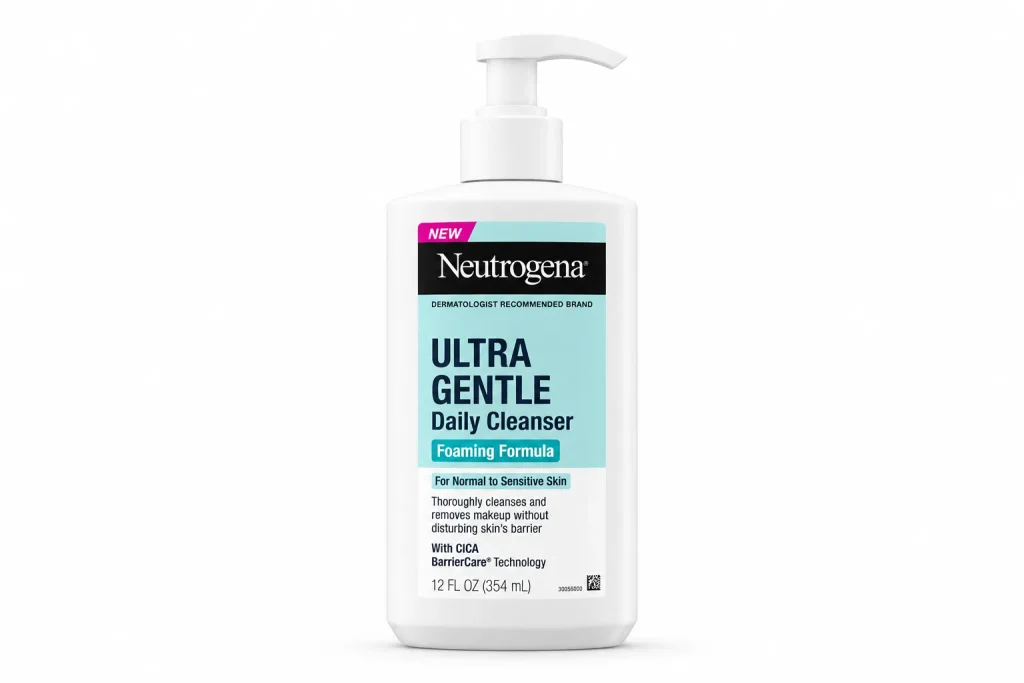
1. Neutrogena Ultra Gentle Daily Cleanser: Best for Sensitive Skin
- Best forSensitive and normal skin
- TextureLight foam
- Key activesGlycerin | Centella extract | Mild cleansers
- Price$9.97
We would pick Neutrogena Ultra Gentle as our everyday non comedogenic cleanser for sensitive and normal skin. Neutrogena’s own page calls it hypoallergenic and non comedogenic, and says it rinses clean without clogging pores. The formula is simple, with glycerin, centella extract and mild cleansers, and it has no fragrance. The foam is light, so your face feels clean and not stripped.
Pros:
- Brand page says non comedogenic and hypoallergenic
- Fragrance free
- Glycerin and centella extract in the formula
- Easy to find in the US
Cons:
- Light foam may need a second wash for heavy makeup
- Not made to treat breakouts
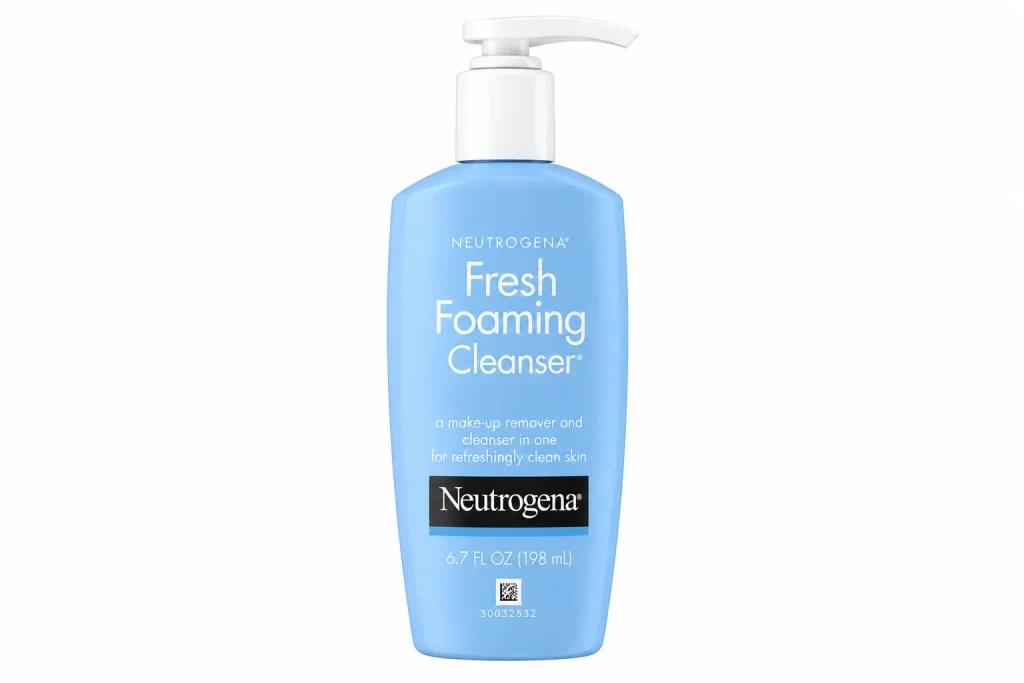
2. Neutrogena Fresh Foaming Cleanser: Best for Makeup Days
- Best forMakeup days, all skin types
- TextureSoft pump foam
- Key activesGlycerin | Soap free formula
- Price$37.99
Neutrogena Fresh Foaming is our pick for days with makeup. This non comedogenic cleanser is soap free and hypoallergenic, and it lifts oil, dirt and even waterproof makeup in one wash. The pump gives you a soft, easy foam, so there is no need to rub. It works across skin types and helps take down shine.
Pros:
- Labeled non comedogenic and hypoallergenic
- Soap free
- Removes waterproof makeup
- Soft foam from a pump bottle
Cons:
- Not marketed as fragrance free
- Not made to treat breakouts
3. Cetaphil Pro Oil Removing Foam Wash: Best for Oily Skin

- Best forOily and combination skin
- TextureLight, non greasy foam
- Key activesZinc gluconate | Glycerin
- Price$15
Cetaphil Pro Oil Removing is our choice for oily skin. It is labeled noncomedogenic and hypoallergenic, and it uses zinc to cut surface oil and shine. The foam is light and not greasy, so skin feels fresh after rinsing. It is also sulfate free, which makes this non pore clogging cleanser a calm daily option for oily and combination skin.
Pros:
- Labeled noncomedogenic and hypoallergenic
- Zinc helps reduce surface oil and shine
- Sulfate free and paraben free
- Light foam that is not greasy
Cons:
- Lists a masking fragrance, so skip it if you avoid all scents
- Made for oil control, so it may feel light on dry skin
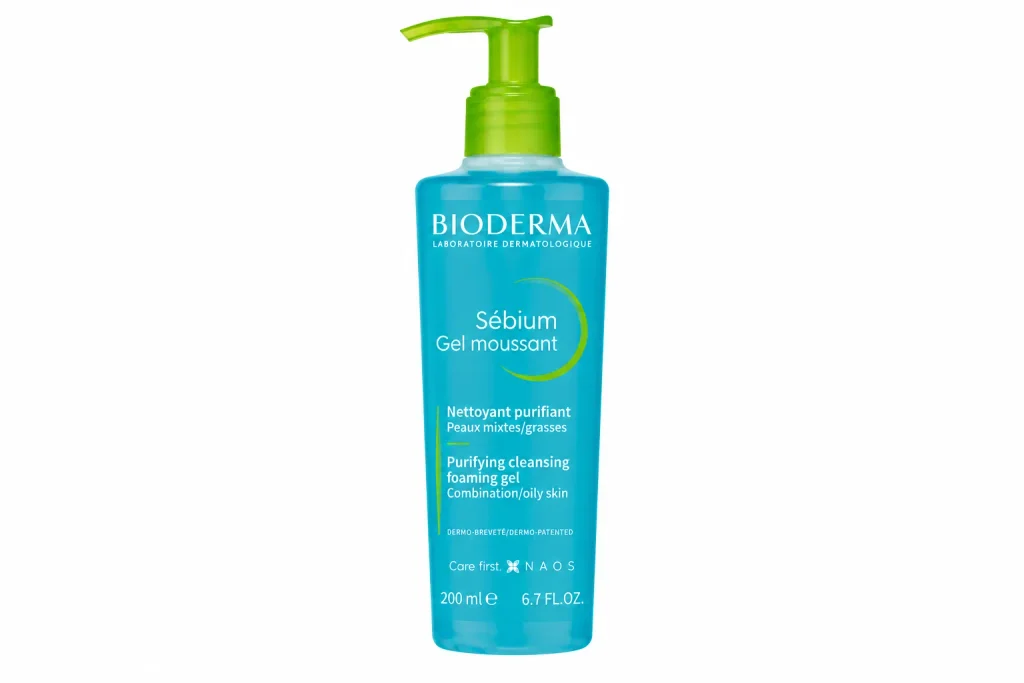
4. Bioderma Sébium Foaming Gel: Best for Acne Prone Skin
- Best forOily and acne prone skin
- TextureCooling foaming gel
- Key activesZinc and copper sulfate | Ginkgo extract | Lactic acid
- Price$22.99
Bioderma Sébium Foaming Gel is our pick for acne prone skin that gets upset by strong washes. It is a soap free, cooling foaming gel, and the brand says it cleans without leaving skin stripped or dry. Zinc and copper sulfate act as purifying agents, with ginkgo extract and a little lactic acid in the mix. You get a non comedogenic face wash made for oily and combination skin.
Pros:
- Retailer page says non comedogenic
- Soap free foaming gel
- Zinc and copper sulfate purifying agents
- Made for oily, combination and acne prone skin
Cons:
- Made for oily skin, so it may feel light on dry skin
- Sold in several sizes, so pick the bottle you want
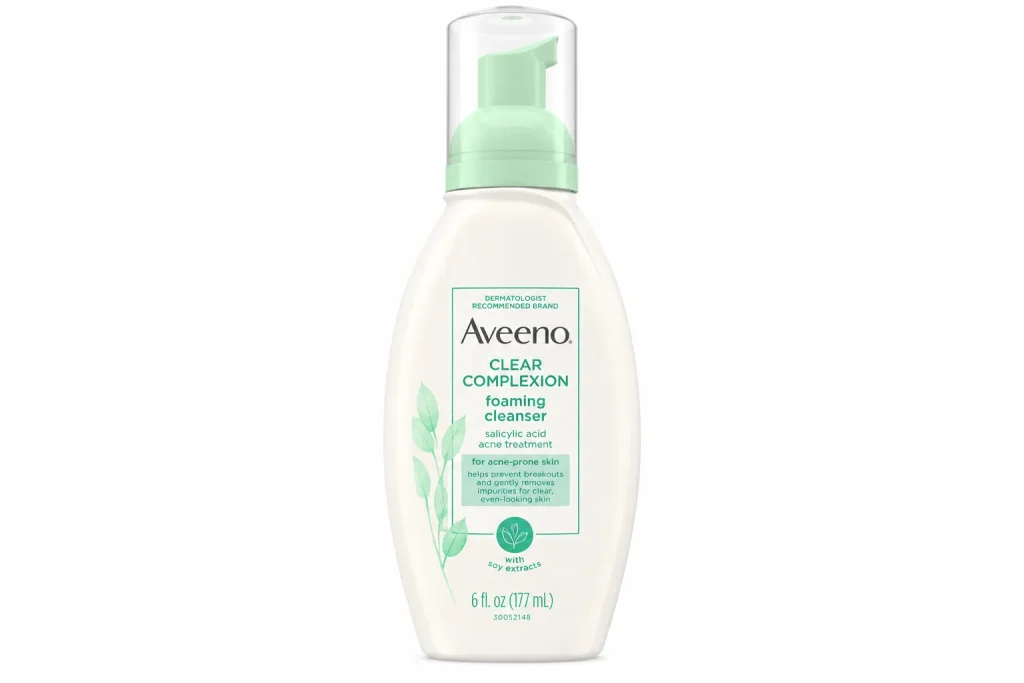
5. Aveeno Clear Complexion Foaming Cleanser: Best for Breakouts
- Best forBreakouts that need a mild active
- TextureAiry foam
- Key actives0.5% Salicylic acid | Soy extract
- Price$9
Aveeno Clear Complexion is our mild acne pick. It adds 0.5% salicylic acid to an airy, oil free foam, with soy extract in the formula. Aveeno lists it for acne prone skin and says it is gentle enough for daily use. It is a good step up when a plain non comedogenic cleanser is not enough for your breakouts.
Pros:
- Oil free and hypoallergenic
- 0.5% salicylic acid for breakouts
- Airy foam that rinses easily
- Gentle enough for daily use
Cons:
- Salicylic acid may sting very sensitive skin
- Brand says oil free, not non comedogenic
What Non Comedogenic Really Means on a Cleanser
A non comedogenic cleanser should not clog pores. That is all. It does not mean the product treats acne, and it does not mean it suits every skin type.
Here is the catch. The U.S. Food and Drug Administration does not regulate the term, and products with the label do not have to pass strict testing, as Medical News Today explains. Much of what we know about pore clogging ingredients comes from a 1984 rabbit ear study, and it is unclear how well it applies to human skin.
A cleanser also works differently from a cream. You rinse it off in under a minute, so what matters is how clean it rinses and what it leaves behind. A good non comedogenic cleanser leaves no film on your skin.
Three labels get mixed up all the time. Oil free means no added oils. Non comedogenic means the brand says the product should not clog pores. Fragrance free means no added scent. A cleanser can have one without the others, so check all three.
30 Second Label Check
Run this check on any non comedogenic cleanser, ours included. It takes about 30 seconds.
- Non comedogenic or “won’t clog pores” on the label or brand page
- Oil free or soap free
- Fragrance free if your skin reacts easily
- A short ingredient list
- Rich oils and butters near the top, like coconut oil or cocoa butter
- A rinse that leaves your skin feeling coated
- Scrub beads or rough particles
- A clear claim on the box but a long list of heavy ingredients
Foam, Gel or Cream: Which Suits You?
Texture decides how clean your skin feels after rinsing, so match your non comedogenic cleanser to your skin. Foams and gels suit oily and combination skin. Light creams suit dry or sensitive skin, and rich cream cleansers are best saved for dry skin.
Mostly oily or shiny by noon? Our best cleanser for oily skin guide has more options.
Skin runs dry? See our best face wash for dry skin picks instead.
- Sensitive or normal skin: Neutrogena Ultra Gentle
- Makeup most days: Neutrogena Fresh Foaming
- Oily or shiny by noon: Cetaphil Pro Oil Removing
- Acne prone and easily irritated: Bioderma Sébium
- Breakouts that need a mild active: Aveeno Clear Complexion
Do You Need an Acne Cleanser?
Most people do not. A plain non comedogenic cleanser is enough for many skin types. If you get blackheads or regular breakouts, a salicylic acid wash can help, and we compare them in our salicylic acid cleansers for blackheads guide.
Aveeno on this list is the gentlest way to try one. Do not use a salicylic acid wash and a strong acne treatment together unless your dermatologist says so, because too many actives can dry and irritate skin.
How to Wash Without Clogging Pores
The American Academy of Dermatology says to wash twice a day and after heavy sweating, using a gentle, non abrasive cleanser. Apply your non comedogenic cleanser with your fingertips, not a washcloth. Their face washing basics cover the rest.
- Step 1: wet your face with lukewarm water.
- Step 2: put a small amount of cleanser on your fingertips.
- Step 3: massage gently for about 30 seconds. Do not scrub.
- Step 4: rinse well until no film is left.
- Step 5: pat dry and moisturize if your skin feels tight.
Never use hot water. It can dry and irritate skin, and irritated skin often looks worse and breaks out more.
Still Breaking Out? When to See a Dermatologist
A non comedogenic cleanser helps, but it cannot fix everything. The AAD lists washing too often, scrubbing, picking and pore clogging products among the habits that can make acne worse.
Check what stays on your skin all day, too. Your moisturizer sits there far longer than a cleanser you rinse off, so make it a non comedogenic moisturizer.
See a dermatologist if you get deep, painful bumps, if breakouts last more than a few weeks after you simplify your routine, or if any product burns or itches.
How We Choose
We looked for gentle non comedogenic cleanser formulas, mostly foams and gels, with simple ingredient lists. Four of the five say non comedogenic on the brand or retailer page. Aveeno says oil free and hypoallergenic, so it is our mild acne pick. We matched each cleanser to one clear skin need and chose single bottles, not sets.
FAQs
What is the best non comedogenic face wash?
The best non comedogenic cleanser depends on your skin. For sensitive or normal skin, we like Neutrogena Ultra Gentle. For oily skin, Cetaphil Pro Oil Removing is our choice. The table above shows the match for each pick.
Is a non comedogenic cleanser the same as oil free?
No. Oil free means no added oils. Non comedogenic is a brand’s promise that the product should not clog pores. Neither term is a guarantee, so check both.
Are non comedogenic cleansers good for acne?
They help you avoid making acne worse, but they do not treat it. For active breakouts, add a salicylic acid wash or ask a dermatologist.
Can a non pore clogging cleanser still cause breakouts?
Yes. Skin reacts in different ways, and the label is not tested the same way for everyone. If you break out after a week or two, stop using it and try another formula.
How often should I use a non comedogenic cleanser?
Twice a day is the usual advice, plus after heavy sweating. If your skin feels tight, wash once at night and rinse with water in the morning.
Does non comedogenic mean fragrance free?
No. A cleanser can be non comedogenic and still have fragrance. Cetaphil Pro Oil Removing, for example, lists a masking fragrance. Read the ingredient list if scent bothers your skin.
Bottom Line
Pick the non comedogenic cleanser that matches your skin, then give it two weeks. If your skin feels clean, not tight, and your breakouts do not get worse, you have found a good one. Want a creamier wash? Our CeraVe hydrating cleanser guide is the next read.